Why Rodent and Termite Infestations Can Impact Health: The Role of Hospitalists in Environmental Health
Why Rodent and Termite Infestations Can Impact Health: The Role of Hospitalists in Environmental Health
Rodent and termite infestations are not only a threat to the structural integrity of homes, but they also pose significant risks to human health. As silent invaders, these pests can bring about various health hazards that may go unnoticed until they become a more severe issue. In this context, hospitalists – physicians who specialize in the care of hospitalized patients – can play a pivotal role in identifying and addressing the health concerns linked to these environmental threats.
Rodent Infestations and Health Risks
Rodents, especially rats and mice, are known to carry a range of diseases and can indirectly contribute to health problems through their droppings, urine, and saliva. Their potential health impacts are considerable, particularly for individuals with weakened immune systems, respiratory issues, or allergies.
1. Disease Transmission
Rodents are carriers of numerous pathogens, including:
Hantavirus: A viral infection that can lead to severe respiratory issues, including Hantavirus Pulmonary Syndrome (HPS). It is transmitted via direct contact with rodent urine, droppings, or saliva, or by inhaling particles that become airborne.
Leptospirosis: A bacterial infection that can lead to fever, headache, and, in severe cases, liver and kidney damage. It is spread through contact with water or soil contaminated by rodent urine.
Salmonella: A bacterial infection that can cause gastrointestinal distress. Rodents can spread salmonella through their droppings.
2. Allergies and Asthma
Rodents contribute to poor indoor air quality, particularly when they inhabit areas such as attics, basements, or behind walls. Their droppings and urine can trigger allergic reactions, which may lead to respiratory issues, asthma attacks, or other allergic conditions. The presence of rodents can also promote the growth of mold and bacteria, further exacerbating respiratory conditions.
3. Physical Injuries
Rodents can sometimes bite humans if they feel threatened. While these bites are typically not life-threatening, they can lead to infections if not treated properly. Additionally, rodents can cause significant damage to electrical wiring, increasing the risk of fires, which indirectly poses a health risk to anyone living in the affected home.
Termite Infestations and Health Risks
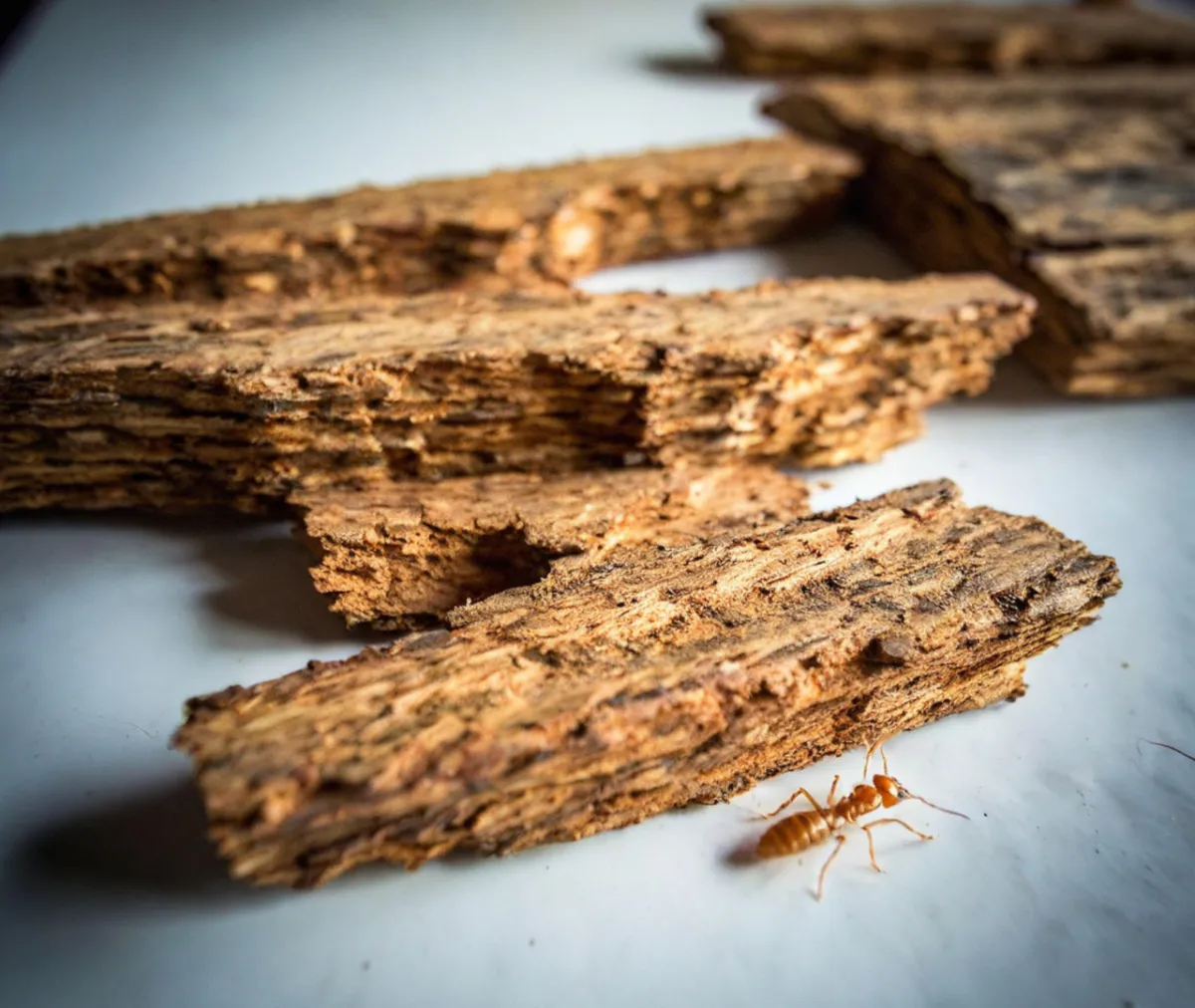
Termites are often seen as a threat to the structural integrity of homes, but their role in health issues is less commonly discussed. While termites themselves do not directly transmit diseases to humans, their activities can create conditions that are conducive to health problems.
1. Allergies and Respiratory Issues
Termites feed on wood and other cellulose-based materials, and their presence can result in significant moisture buildup within walls and ceilings. This moisture can promote the growth of mold and mildew, which are well-known triggers for allergies and asthma. Mold spores, when inhaled, can lead to respiratory problems, especially for individuals with pre-existing conditions such as asthma or COPD (Chronic Obstructive Pulmonary Disease).
2. Indoor Air Quality
The damage caused by termites to a home’s structure can create cracks, gaps, and voids within walls and floors. These openings allow for the circulation of dust, allergens, and other airborne particles. Termite-infested homes often experience increased humidity, which can further degrade indoor air quality, creating an environment that encourages the growth of bacteria, fungi, and mold.
The Role of Hospitalists in Environmental Health
Hospitalists, as frontline healthcare providers, are uniquely positioned to identify and address the health risks related to environmental hazards, including those caused by rodent and termite infestations. Their role extends beyond patient care in the hospital to becoming advocates for environmental health and safety.
1. Identifying Environmental Health Issues
Hospitalists regularly assess patients for conditions that might be linked to environmental factors, such as respiratory infections, asthma, or other allergic conditions. If they observe a pattern of patients with unexplained respiratory distress, chronic allergies, or unusual infections, they may investigate the possibility of underlying environmental issues such as pest infestations. By identifying the potential link between a patient’s health issues and their living conditions, hospitalists can help guide patients toward the necessary preventive measures and treatments.
2. Educating Patients
In their clinical role, hospitalists often provide education about lifestyle modifications and preventive care. In cases where a patient’s health issues are suspected to be caused or aggravated by pest infestations, hospitalists can offer advice on how to identify signs of rodents or termites, the importance of pest control, and maintaining a clean, dry environment. By educating patients about these health risks, hospitalists can help reduce the prevalence of pest-related diseases and respiratory conditions.
3. Collaboration with Public Health Officials
Hospitalists can serve as liaisons between their patients and public health officials. If they notice a pattern of rodent-borne diseases or conditions linked to environmental hazards in the community, they can collaborate with local health departments to address broader public health concerns. This may include promoting pest control programs, providing community education on environmental health risks, and advocating for changes in local housing conditions.
4. Addressing Long-Term Health Impacts
For patients with chronic respiratory issues, allergies, or immunocompromised conditions, hospitalists can help monitor the long-term effects of living in an environment with rodent or termite infestations. Continued exposure to allergens or pathogens can worsen pre-existing conditions, leading to increased hospitalizations or complications. Hospitalists are in a position to monitor and adjust treatments for these patients, ensuring their health is managed appropriately as they address the underlying environmental causes.
Conclusion
Rodent and termite infestations are not just an issue of home maintenance; they are a public health concern that can have serious, long-lasting impacts on individuals' well-being. The role of hospitalists in identifying, addressing, and preventing the health risks associated with these infestations is crucial. By recognizing the link between environmental hazards and health issues, educating patients, and collaborating with public health officials, hospitalists can help mitigate the negative health effects caused by these silent threats. In doing so, they can contribute to creating healthier living environments for individuals and communities alike.