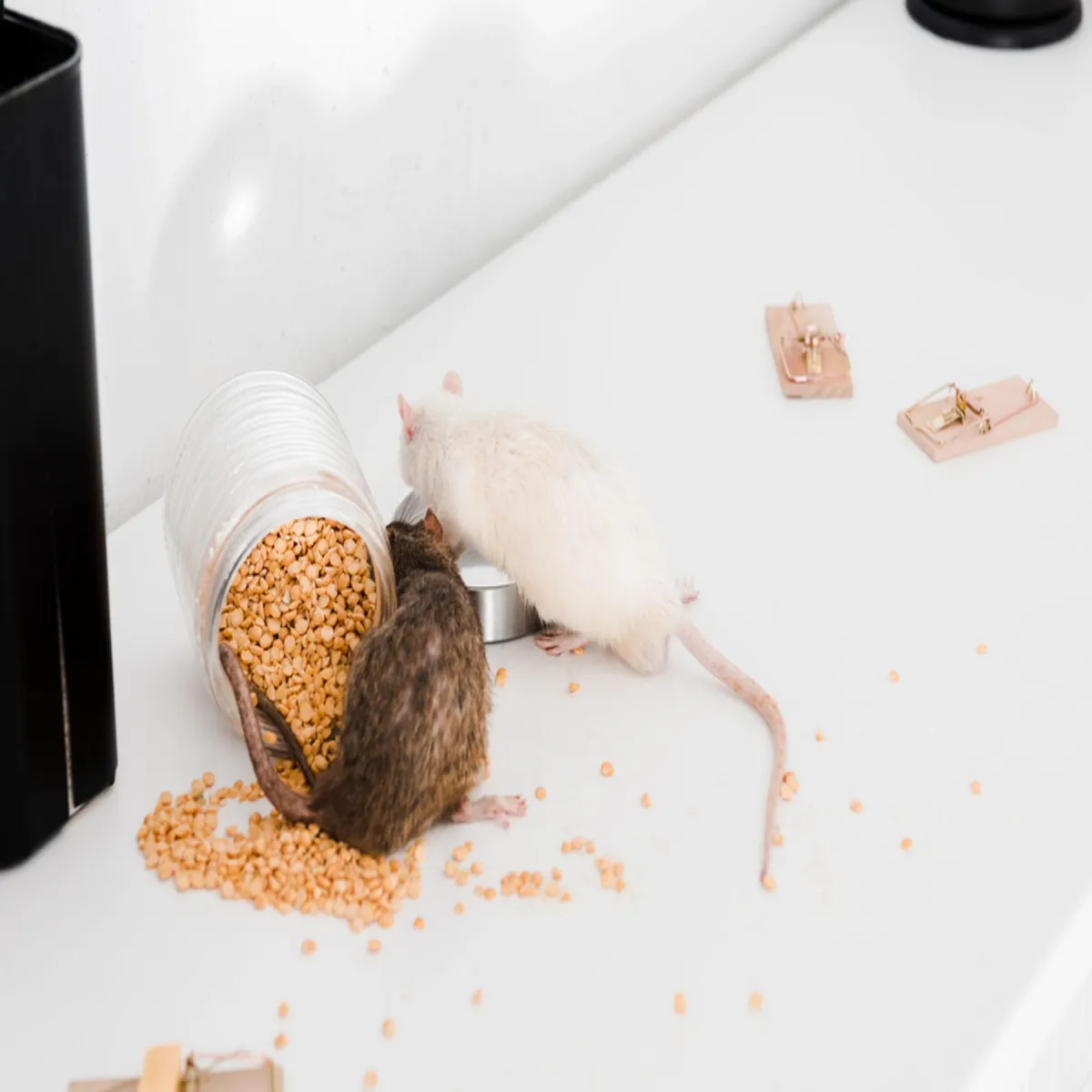
Understanding the Dangers of Rodents: Health Risks and How to Prevent Infestations
Rodents, such as rats and mice, are not just an inconvenience; they pose significant health risks to humans. Whether in homes, businesses, or agricultural environments, a rodent infestation can lead to contamination, property damage, and the spread of serious diseases. Understanding the dangers associated with rodents and taking preventive measures can help protect your family, property, and health.
Health Risks Posed by Rodents
Rodents are known carriers of diseases, which they spread directly through bites, contact with their droppings, urine, or saliva, and indirectly through parasites like fleas or ticks. Here are some of the most common health risks rodents present:
1. Hantavirus Pulmonary Syndrome (HPS)
Spread by rodents, particularly deer mice, Hantavirus is contracted when people inhale dust or air contaminated with rodent droppings, urine, or saliva. HPS is a severe respiratory disease with flu-like symptoms that can rapidly escalate into life-threatening respiratory failure. There is no specific treatment for HPS, making prevention critical.
2. Leptospirosis
Leptospirosis is a bacterial infection transmitted through contact with water, soil, or food contaminated by the urine of infected rodents. The bacteria can enter the body through skin abrasions or mucous membranes. If left untreated, leptospirosis can lead to kidney or liver failure, respiratory distress, or even death.
3. Salmonellosis
Salmonella bacteria, often found in rodent droppings, can contaminate food and water sources. Ingesting these contaminated items leads to salmonellosis, which causes diarrhea, fever, and abdominal cramps. This form of food poisoning can be particularly dangerous for young children, the elderly, and those with weakened immune systems.
4. Lymphocytic Choriomeningitis Virus (LCMV)
Primarily transmitted by house mice, LCMV is a rodent-borne viral infection that can cause flu-like symptoms and, in severe cases, neurological issues such as meningitis or encephalitis. Pregnant women are particularly vulnerable as LCMV can lead to birth defects or miscarriage.
5. Plague
Although rare today, the plague is still a concern in some parts of the world. It’s spread by fleas that have fed on infected rodents, particularly rats. Symptoms include swollen lymph nodes, fever, and chills. Without treatment, the plague can be fatal.
6. Rat-bite Fever
Rat-bite fever is a bacterial illness transmitted through rodent bites, scratches, or by consuming food or water contaminated with rodent feces. Symptoms include fever, vomiting, muscle pain, and rash. If not treated promptly, it can lead to severe complications, such as infections of the heart.
Signs of a Rodent Infestation
Detecting a rodent infestation early is essential to prevent health risks and further damage to property. Here are some common signs of rodent activity:
- Droppings: Rodent droppings are small, dark, and pellet-like, often found near food sources, in cupboards, or hidden corners.
- Gnaw Marks: Rodents gnaw on various materials, including wood, electrical wires, and packaging. Chew marks on food containers, furniture, or walls are clear signs of their presence.
- Nests: Rodents build nests out of soft materials like paper, fabric, or insulation, usually hidden in dark, secluded areas.
- Sounds: Scratching, scurrying, or squeaking noises in walls, ceilings, or floors, particularly at night, indicate rodent activity.
- Odors: A musky odor from rodent urine is often present in areas where they are nesting or traveling.
How to Prevent Rodent Infestations
Preventing a rodent infestation requires vigilance, cleanliness, and regular home maintenance. Here are some effective strategies:
1. Seal Entry Points
Rodents can squeeze through surprisingly small openings. Inspect your home for gaps around windows, doors, pipes, and foundation cracks. Seal any openings with steel wool, caulk, or other durable materials to block rodents from entering.
2. Maintain Cleanliness
Rodents are attracted to food and water sources. Keep food in airtight containers, promptly clean up crumbs and spills, and avoid leaving pet food out overnight. Trash should be stored in tightly sealed bins, and regular cleaning routines can help reduce rodent attractants.
3. Eliminate Clutter
Clutter provides hiding places for rodents. Organize and declutter areas like garages, attics, basements, and storage rooms where rodents might seek shelter.
4. Manage Outdoor Spaces
Rodents are drawn to outdoor environments with easy access to food and shelter. Keep your yard free of debris, fallen fruits, and nuts. Trim overgrown vegetation and ensure compost bins are sealed. Store firewood at least 20 feet away from the house and a few inches off the ground.
5. Set Traps and Use Baits
If you detect rodent activity, traps and baits can be effective. Place traps along walls or near suspected nesting sites, but ensure they are out of reach of pets and children. Use baits cautiously, as they can be toxic and may require professional handling.
6. Regular Inspections
Regularly inspect your home, especially in the fall and winter when rodents seek warmth indoors. Catching early signs of an infestation can prevent significant damage and health risks.
7. Hire Professional Pest Control
If an infestation becomes severe or you are uncomfortable dealing with it on your own, hire a pest control professional. They can safely remove rodents, identify entry points, and implement long-term prevention strategies.
Conclusion
Rodents are more than just pests; they are carriers of diseases that can severely impact human health. Their presence in homes or workplaces poses significant risks, from spreading infections to causing structural damage. Early detection and proactive prevention are crucial in keeping rodents at bay. By sealing entry points, maintaining a clean environment, and using traps or professional pest control when necessary, you can protect your home from these harmful invaders.