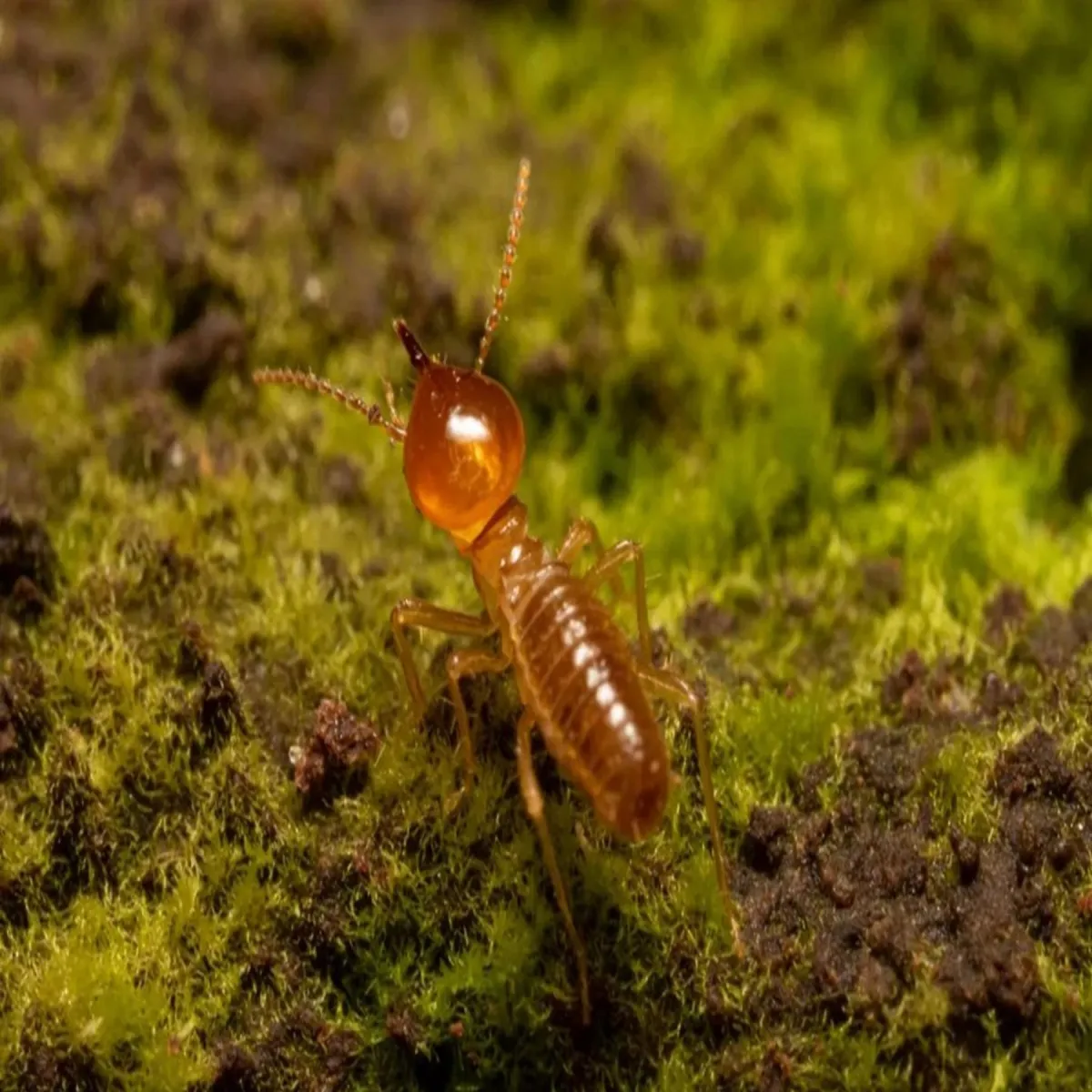
Termite Treatment Options: Choosing the Best Solution for Long-Term Protection
Termites are among the most destructive pests, capable of causing significant damage to homes and other structures. Termite infestations often go unnoticed until considerable damage has occurred, which is why early detection and effective treatment are crucial. Choosing the best termite treatment option depends on several factors, including the extent of the infestation, the type of termites involved, and the structure of your home. This guide will help you understand the different termite treatment options and how to select the best one for long-term protection.
Types of Termites
Before selecting a treatment, it's essential to identify which type of termite is causing the problem. The two main types of termites are:
1. Subterranean Termites
These termites live in underground colonies and build mud tubes to reach above-ground food sources, such as the wooden structure of a house. They are the most common and destructive type of termite.
2. Drywood Termites
Drywood termites live inside the wood they infest and do not require contact with the soil. They are more common in coastal areas and are usually harder to detect than subterranean termites.
Signs of a Termite Infestation
Knowing the signs of a termite infestation is the first step toward protecting your home. Look for these common indicators:
- Mud Tubes: Subterranean termites build small tunnels made of mud to travel between their colony and food sources.
- Discarded Wings: After swarming, reproductive termites (also known as alates) shed their wings, which are often found near windowsills or doorways.
- Hollow or Damaged Wood: Termites eat wood from the inside out, so you may notice hollow-sounding wood or visible damage.
- Frass (Termite Droppings): Drywood termites leave behind small, pellet-like droppings, usually near the area they are infesting.
- Clicking Sounds: Termites sometimes produce soft clicking noises inside walls as they chew through wood.
Termite Treatment Options
There are several treatment options available for termite infestations. Each has its benefits and is suited to different situations.
#1. Liquid Termite Treatments (Termiticide Barriers)
Liquid termiticides are one of the most common and effective treatments for termites. A chemical barrier is applied to the soil around the foundation of the home, preventing termites from entering.
- How It Works: The termiticide either repels termites or kills them when they come into contact with the treated area.
- Best For: Subterranean termites, especially for new construction or in situations where termites are accessing the home from underground.
- Longevity: Liquid treatments can last for several years, providing long-term protection. However, periodic inspections are recommended.
- Pros: Provides a continuous barrier, is highly effective, and can prevent future infestations.
- Cons: Requires professional application and may require digging around the foundation.
#2. Termite Bait Systems
Termite bait systems are an alternative to liquid treatments. Bait stations are placed around the perimeter of the home and contain a slow-acting poison that termites carry back to their colony, eventually eliminating the entire colony.
- How It Works: Termites feed on the bait and share it with other colony members, which leads to a slow but complete colony eradication.
- Best For: Subterranean termites, especially when you need a less invasive treatment option or in combination with other treatments.
- Longevity: Bait systems require regular monitoring and maintenance, but they can offer ongoing protection as long as the bait stations are active.
- Pros: Non-invasive, targets the entire colony, and is effective over time.
- Cons: Requires frequent monitoring and can take longer to eradicate the colony compared to liquid treatments.
#3. Wood Treatment Options
For drywood termites, wood treatments can be an effective solution. These treatments involve applying chemicals directly to the wood, either through surface sprays or injections into the wood.
- How It Works: Treated wood becomes toxic to termites, preventing infestations or killing termites already present.
- Best For: Drywood termites or small, localized infestations in furniture or wooden structures.
- Longevity: Wood treatments provide long-term protection but may need reapplication over time.
- Pros: Targets specific areas, useful for preventing future infestations in vulnerable wood.
- Cons: Limited to localized infestations and may not be suitable for large-scale problems.
#4. Fumigation (Tent Treatment)
Fumigation is often necessary for widespread drywood termite infestations. It involves enclosing the structure in a tent and filling it with gas that kills termites throughout the home.
- How It Works: The gas penetrates walls, floors, and wood, killing all termites inside.
- Best For: Severe drywood termite infestations that are spread throughout a large area of the home.
- Longevity: Fumigation eliminates termites in the structure but does not provide long-term protection, so other treatments may be needed afterward.
- Pros: Extremely effective for severe or widespread infestations.
- Cons: Requires vacating the home for a few days, does not prevent future infestations, and may be expensive.
#5. Heat Treatment
Heat treatment is an eco-friendly, chemical-free option for drywood termites. It involves raising the temperature inside the home to levels that are lethal to termites.
- How It Works: The home is heated to a temperature that kills termites in infested wood.
- Best For: Drywood termites, particularly in homes with environmental concerns about chemical treatments.
- Longevity: Heat treatments kill existing termites but do not prevent new infestations, so regular inspections are still necessary.
- Pros: Non-toxic, effective, and leaves no chemical residue.
- Cons: May not reach termites in inaccessible areas, and does not provide ongoing protection.
Choosing the Best Termite Treatment
Selecting the best termite treatment depends on several factors:
1. Type of Termite: Subterranean and dry wood termites require different treatment methods, so accurate identification is crucial.
2. Extent of the Infestation: Small, localized infestations can often be treated with wood treatments or bait systems, while larger infestations may require fumigation or a combination of treatments.
3. Structure of the Home: The design and materials used in your home can affect which treatment is most appropriate.
4. Long-Term Protection: Consider treatments that not only address the current infestation but also provide long-term protection, such as bait systems or liquid treatments.
Conclusion
Dealing with termites requires swift action and the right treatment plan to prevent costly damage to your home. Liquid treatments and bait systems are excellent for subterranean termites, while drywood termites often require wood treatments, fumigation, or heat treatment. Consulting with a professional pest control company can help you choose the best solution for long-term protection tailored to your home’s specific needs. Regular inspections and maintenance are key to ensuring your home remains termite-free.