Silent Threats: How Rodents and Termites Can Damage Your Home's Structure and Soundproofing
When you think of threats to your home, you might picture severe weather, burglaries, or structural failures. However, there are quieter, often invisible dangers that can be just as harmful: rodents and termites. These silent invaders may go unnoticed for long periods, but their impact on both your home’s structure and soundproofing can be devastating.
Rodents: The Silent Intruders
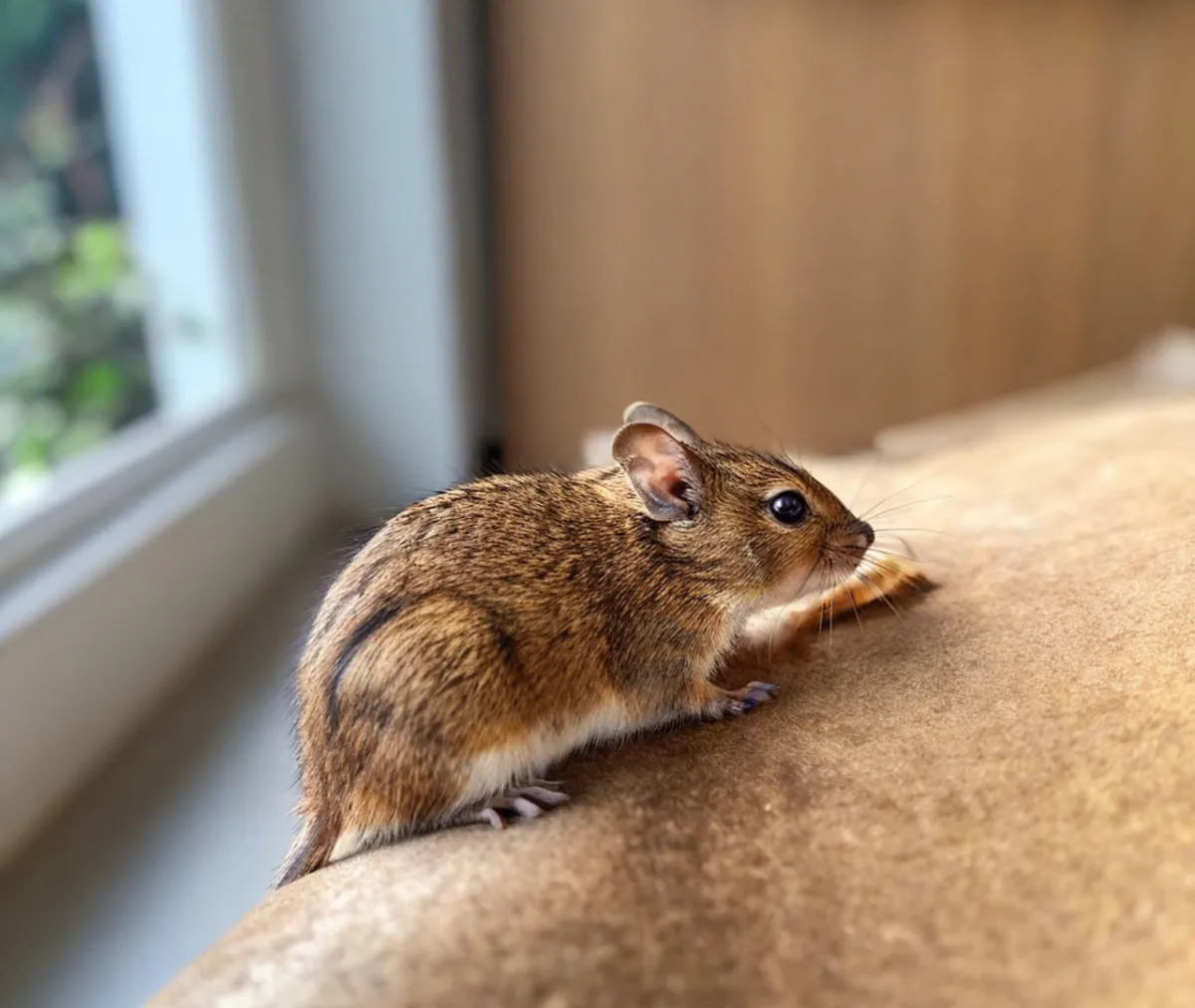
Rodents, particularly rats and mice, are more than just a nuisance. They have a significant potential to cause damage to your home’s structure, electrical systems, and even its soundproofing.
Structural Damage
Rodents are notorious for chewing through various materials. Mice and rats gnaw on wood, insulation, wiring, and even drywall. Their sharp teeth continuously grow, so they must gnaw on things to keep them from becoming too long. Over time, this chewing can weaken the integrity of beams, walls, and even ceilings.
In severe cases, rodents can cause enough structural damage to compromise the overall stability of your home. This is particularly concerning in areas like attics, basements, or crawl spaces, where they are more likely to make nests and forage. Additionally, any gaps or holes they create provide opportunities for moisture and mold, leading to further structural problems.
Soundproofing Impact
Rodents can also directly affect your home’s soundproofing. Many soundproofing methods rely on the use of insulation, such as fiberglass or foam boards. Unfortunately, rodents love to burrow into insulation, displacing it, and making it less effective. As the rodents move through walls, ceilings, or floors, they may create additional gaps that allow sound to travel more easily, reducing the overall effectiveness of your soundproofing efforts.
Additionally, rodents are notorious for creating noise themselves. Their scratching, gnawing, and scampering can be heard from inside walls, which can be incredibly disturbing, especially during the quiet hours of the night. This noise pollution can negate any soundproofing benefits you've invested in.
Termites: The Hidden Destroyers
Termites are another destructive force that can wreak havoc on your home. These small, wood-eating insects can go unnoticed for months or even years, causing significant damage to your property before you're even aware of their presence.
Structural Damage
Termites are most famous for their ability to damage wood. These insects feed on cellulose, which is found in wood and other plant-based materials. Over time, termites can hollow out beams, floor joists, studs, and other structural elements of your home. The damage can weaken the overall framework, leading to potential collapse or sagging floors and ceilings.
Unlike rodents, termites often cause their damage out of sight, as they typically reside in walls or beneath the surface of wooden structures. This means that by the time you notice signs of an infestation, the structural damage may already be extensive. The cost of repairs can be astronomical, particularly if the infestation has been left unchecked for an extended period.
Impact on Soundproofing
Much like rodents, termites can affect your home’s soundproofing. If they are eating away at wood or weakening structural beams, they create gaps and hollow spaces within your walls, ceilings, or floors. These voids make it easier for sound to travel through, reducing the effectiveness of any soundproofing measures you've implemented.
Furthermore, termites often leave behind a powdery substance or frass (insect droppings) that can be a sign of an active infestation. This debris can fill gaps and cracks in your soundproofing materials, compromising their ability to block noise. In severe cases, the structural damage caused by termites can cause your walls and floors to vibrate more, amplifying sound rather than reducing it.
Prevention and Protection
Both rodents and termites can cause significant damage to your home, but there are steps you can take to prevent them from invading and wreaking havoc.
For Rodents:
Seal Entry Points: Inspect your home for any gaps or holes, particularly around doors, windows, and plumbing pipes. Seal these openings with caulk, steel wool, or other materials to keep rodents out.
Maintain Cleanliness: Rodents are attracted to food sources, so ensure that all food is stored securely, and trash is disposed of regularly.
Professional Pest Control: If you notice signs of a rodent infestation, such as droppings, gnaw marks, or the sounds of scurrying, contact a professional pest control service to eliminate the problem before it causes lasting damage.
For Termites:
Regular Inspections: Hire a professional to conduct annual termite inspections. Early detection can prevent significant damage.
Keep Wood Away from Soil: Avoid storing wood piles, mulch, or other cellulose materials directly against the foundation of your home. This will make it harder for termites to gain access to your property.
Moisture Control: Termites thrive in damp conditions, so ensure that your home’s foundation is properly sealed, and gutters are functioning to prevent water accumulation near your foundation.
Conclusion
Rodents and termites may be small, but their potential to cause significant damage to both your home’s structure and soundproofing cannot be overlooked. By understanding the risks and taking proactive measures to prevent infestations, you can protect your home from these silent threats. Regular inspections, sealing entry points, and maintaining proper moisture control are all essential in safeguarding your home against these destructive invaders. If you're ever in doubt, it's always best to consult with a professional to ensure your home remains safe, secure, and soundproof.