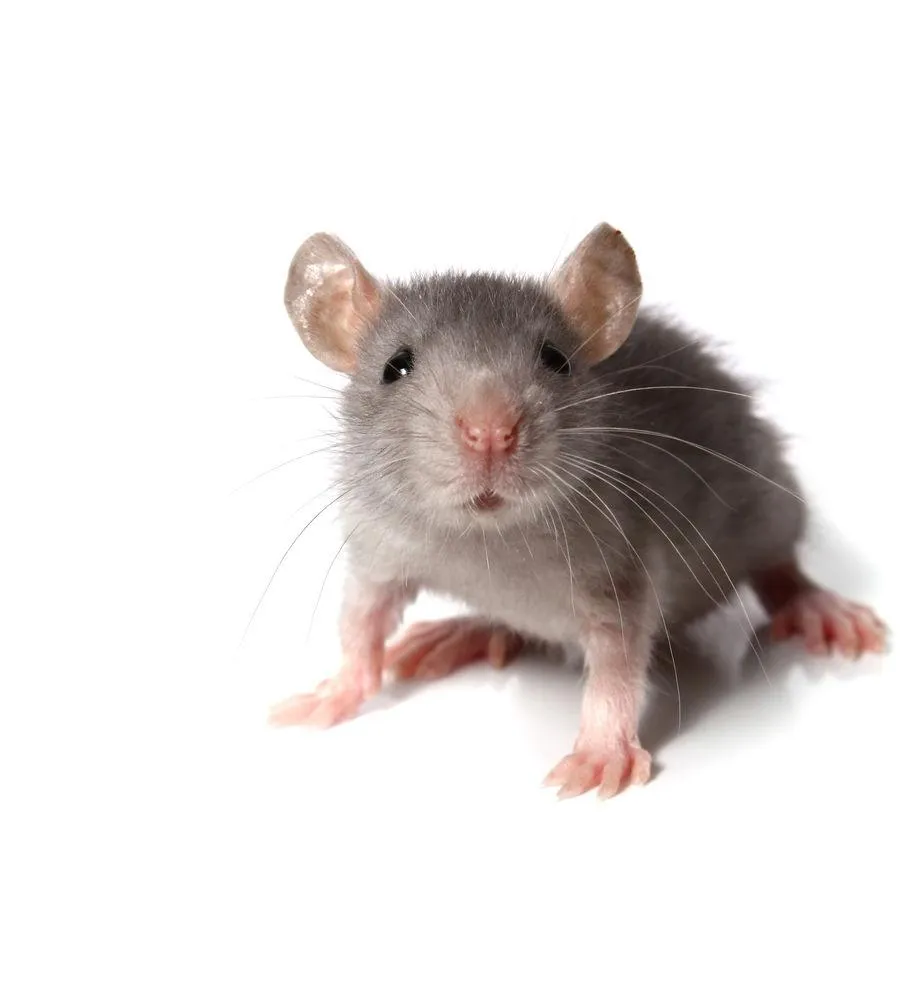
Rodent-Proofing Your Property: Simple Steps to Keep Mice and Rats at Bay
Rodents like mice and rats are not only a nuisance but can also pose serious health risks and cause damage to your property. They can contaminate food, spread diseases, chew through wiring, and make nests in hard-to-reach places. If left unchecked, an infestation can grow quickly and become a major problem. The good news is that rodent-proofing your property is relatively easy with the right approach. By taking proactive steps to prevent rodents from entering your home and making it an unattractive place for them to live, you can keep these pests at bay.
Why is Rodent-Proofing Important?
Rodents are notorious for their ability to squeeze through tiny spaces and exploit any weakness in a building's structure. Mice can fit through a gap as small as a dime, while rats can squeeze through a hole the size of a quarter. Once inside, they reproduce quickly and can cause serious damage to your home. They can chew through electrical wires (posing a fire hazard), destroy insulation, and spread diseases like hantavirus, salmonella, and leptospirosis.
Prevention is key to keeping rodents out of your home. By sealing entry points, eliminating food sources, and taking other preventive measures, you can greatly reduce the chances of an infestation. Here are some simple steps you can take to rodent-proof your property.
Step 1: Seal Entry Points and Gaps
The first line of defense against rodents is to eliminate any potential entry points. Rodents can enter your home through cracks, gaps, and openings around doors, windows, pipes, and vents.
Inspect Your Home's Exterior: Conduct a thorough inspection of your home’s exterior, paying close attention to the foundation, siding, roof, and vents. Look for gaps, cracks, or holes where rodents could potentially enter.
Seal Gaps with Appropriate Materials: Use materials like steel wool, caulk, and hardware cloth to seal small openings. For larger holes, use heavy-duty materials like sheet metal or concrete to patch up the area.
Weatherproof Doors and Windows: Make sure that all doors and windows are properly sealed with weatherstripping, and replace any damaged or worn seals. Install door sweeps on exterior doors to prevent rodents from squeezing underneath.
Step 2: Eliminate Food and Water Sources
Rodents are attracted to food and water sources, so removing their access to these essentials can make your home less appealing to them.
Store Food in Sealed Containers: Keep all food items, including pet food, in airtight containers made of glass, metal, or hard plastic. Avoid leaving food out overnight, and clean up crumbs or spills as soon as they happen.
Take Out Trash Regularly: Store trash in rodent-proof containers with tight-fitting lids, and empty them frequently. Keep garbage cans away from the house if possible, as they can attract rodents looking for a food source.
Fix Leaks and Reduce Moisture: Repair any leaks or dripping faucets, as rodents are attracted to sources of water. Use a dehumidifier in damp areas like basements and ensure proper drainage around the exterior of your home to eliminate standing water.
Step 3: Declutter and Keep a Clean Home
Rodents seek out places where they can hide, nest, and find shelter. A clutter-free, clean home is less attractive to these pests.
Declutter Storage Areas: Clean up cluttered areas like basements, garages, attics, and storage closets where rodents can easily hide. Store items off the floor and in sealed containers to prevent nesting.
Keep Your Yard Tidy: Trim back bushes, trees, and shrubs near your home to reduce hiding spots. Keep firewood stored away from the house and elevated off the ground to discourage rodents from nesting.
Regularly Clean Kitchen and Eating Areas: Rodents are opportunistic feeders, so make sure to clean up after meals, wipe down counters, sweep floors, and wash dishes regularly. A clean kitchen will reduce the chance of attracting mice and rats.
Step 4: Use Rodent Deterrents
While sealing entry points and removing attractants are your first steps in preventing rodents, there are other deterrents you can use as an extra precaution.
Ultrasonic Repellents: Ultrasonic repellents emit high-frequency sound waves that are unpleasant to rodents. These devices can be placed in areas where you’ve seen rodent activity, but be aware that their effectiveness may vary.
Natural Repellents: Strong-smelling substances like peppermint oil, cayenne pepper, and cloves can help deter rodents. Soak cotton balls in peppermint oil and place them around entry points or areas where rodents are active.
Rodent Traps: If you suspect a rodent has already entered your home, use traps to catch and remove it. There are different types of traps available, including snap traps, glue traps, and humane live-catch traps. Be sure to place them along walls, in dark corners, and near entry points where rodents are likely to travel.
Step 5: Conduct Regular Inspections
Even if you’ve rodent-proofed your property, it's a good idea to conduct regular inspections to ensure that no new entry points have opened up and that no signs of rodents are present.
Check for Droppings and Gnaw Marks: Look for rodent droppings, gnaw marks, shredded paper, or nesting materials in areas like kitchens, basements, attics, and garages.
Monitor Traps and Bait Stations: If you’ve set traps or bait stations, check them regularly and replace or rebait as necessary. Remove any trapped rodents promptly and dispose of them safely.
Schedule Professional Inspections: If you’re unsure about how to rodent-proof your property or suspect an infestation, consider hiring a pest control professional for a thorough inspection and advice on prevention methods.
Conclusion
Rodent-proofing your property is an essential step in keeping mice and rats out of your home and away from your family. By sealing entry points, eliminating food and water sources, keeping a clean environment, and using deterrents, you can significantly reduce the likelihood of a rodent infestation. Remember that prevention is always easier than dealing with an infestation, so taking proactive measures now can save you from future headaches and damage.
By taking these simple steps, you’ll create an environment that’s less attractive to rodents, helping you maintain a safe, clean, and rodent-free home year-round.