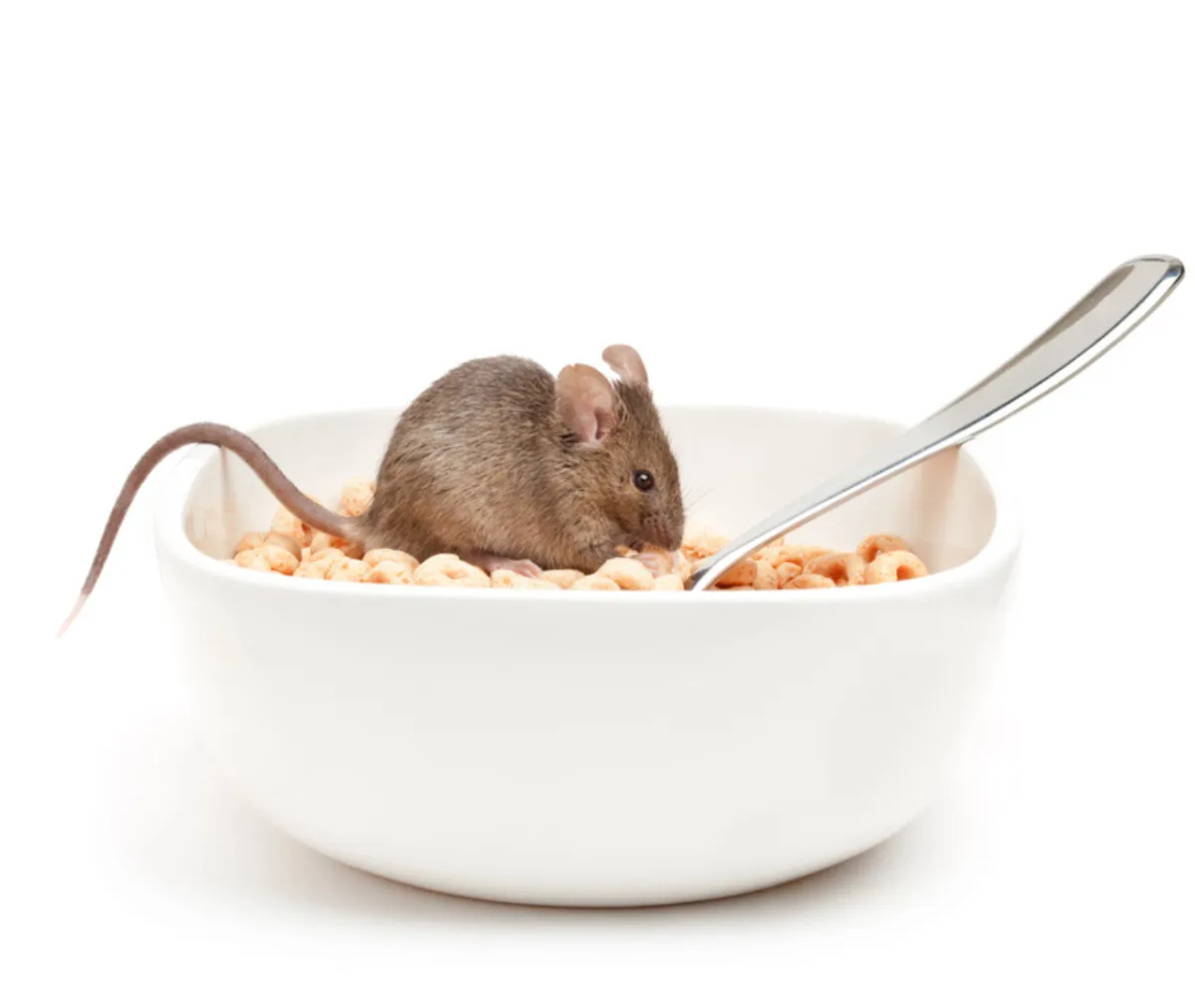
Pest Control Tips for Your Home: Keeping Rodents Away from Food Sources
Rodents, particularly rats and mice, are among the most common household pests. They can invade homes through the smallest cracks and crevices, and once inside, they often target food sources, contaminating your kitchen and pantry with droppings, urine, and hair. These pests not only cause significant damage by chewing through insulation, wires, and structural elements, but they also pose serious health risks by spreading diseases like salmonella, leptospirosis, and hantavirus.
One of the most effective ways to prevent a rodent infestation is to deny them access to food. Rodents are highly resourceful and can find their way into food sources that are left unsecured. In this article, we will provide practical pest control tips for keeping rodents away from food sources in your home, ensuring that your living space remains safe, clean, and pest-free.
Why Rodents Are Attracted to Food Sources
Rodents are opportunistic feeders, and food is one of their primary motivations for entering your home. Once they find a readily available food source, they are likely to stay and multiply. Here are some reasons why food attracts rodents:
Constant Food Supply: Rodents are attracted to homes with easy access to food. If food is left out or not properly stored, it creates a reliable food supply for rodents to scavenge.
Accessible Trash: Improperly stored trash, especially food waste, provides a perfect feeding ground for rodents. If your garbage cans are not sealed tightly, rodents can feast on leftovers and food scraps.
Warmth and Shelter: Rodents seek warmth during colder months, and they often find it in homes, especially in attics, basements, and crawlspaces. A warm home, coupled with available food, creates an ideal environment for rodents to thrive.
Pest Control Tips for Keeping Rodents Away from Food
Seal All Entry Points
The first step in keeping rodents out of your home is to prevent them from entering in the first place. Rodents can squeeze through openings as small as a dime, so it’s crucial to inspect your home and seal any cracks or gaps in walls, doors, windows, and the foundation. Pay close attention to areas around pipes, vents, and utility lines, as these are common entry points for rodents.
Install door sweeps to seal gaps at the bottoms of doors and ensure windows close tightly. For vents and exhaust fans, use mesh screens to prevent rodents from squeezing through. Regularly inspect your home’s exterior to identify potential points of entry and seal them promptly.
Store Food Properly
Rodents are notorious for rummaging through food in your kitchen and pantry. To keep them at bay, store food in airtight containers made of glass or metal. This includes not only dry food like cereal and flour but also pet food, snacks, and any other food products that might attract rodents. Be sure to store food items in sealed containers that are resistant to gnawing.
In addition, avoid leaving food out on countertops or tables. Clean up crumbs, spills, and food debris promptly, as these can serve as easy snacks for rodents. Regularly wipe down counters and floors to remove any potential food sources.
Properly Dispose of Trash
Rodents are often attracted to improperly disposed trash, especially food waste. To deter rodents from accessing your garbage, make sure your trash cans are tightly sealed with sturdy lids. Keep outdoor trash cans in areas away from the home and ensure that they are made of materials that rodents cannot chew through.
Take out the garbage regularly, and avoid leaving food scraps in trash cans for extended periods. If you have a compost bin, ensure it’s sealed properly, as food scraps and organic waste are a favorite food source for rodents.
Maintain a Clean Kitchen and Pantry
A clean kitchen is crucial in preventing rodent infestations. In addition to wiping down surfaces, be sure to clean behind appliances, such as the refrigerator, stove, and microwave. Rodents can hide in these areas, and any food particles left behind can attract them.
Regularly check your pantry for signs of rodents, including gnawed packaging, droppings, or nests. Consider using airtight containers for storing grains, nuts, and dried fruits, as these are common targets for rodents. Also, be sure to dispose of any expired or damaged food that rodents may be drawn to.
Reduce Clutter
Rodents love to nest in dark, cluttered areas where they can remain undisturbed. A cluttered garage, basement, or attic provides the perfect hiding spots for rodents to nest and breed. To discourage nesting, keep these areas tidy and organized. Store items in sealed plastic bins rather than cardboard boxes, as rodents can chew through cardboard and gain access to the contents inside.
By reducing clutter and organizing storage areas, you make your home less inviting to rodents and easier to inspect for signs of infestation.
Use Rodent Traps and Baits
If you suspect you have a rodent problem, setting up traps and baits can be an effective way to eliminate the pests. Snap traps, glue boards, and live traps are common tools used to capture and kill rodents. If you use traps, place them in areas where rodents are likely to travel, such as along walls, behind appliances, and in dark corners.
Baits, like rodenticide, can also be effective in eliminating rodents. However, it’s important to use caution when placing baits, especially in households with pets or children. Always follow the manufacturer’s instructions and consult with a professional pest control service if you’re unsure about the safest way to use rodenticides.
Use Natural Deterrents
If you prefer a more natural approach, there are several deterrents you can use to keep rodents away from food sources. Some common natural rodent repellents include:
Peppermint oil: The strong smell of peppermint is known to repel rodents. Soak cotton balls in peppermint oil and place them in areas where rodents are likely to enter or frequent.
Cayenne pepper: Sprinkle cayenne pepper around areas where you’ve seen signs of rodents. The strong spice will irritate their senses and discourage them from returning.
Mothballs: While not as pleasant for humans, mothballs can deter rodents from entering your home. Place them in areas like the attic or basement to keep rodents at bay.
Call a Professional Pest Control Service
If you’ve tried the above tips and still have a rodent problem, it may be time to call in the professionals. Pest control experts can assess the severity of the infestation, identify hidden entry points, and offer targeted solutions to eliminate the problem. They also have access to stronger treatments and tools that can deal with more serious infestations.
A professional pest control service can provide ongoing monitoring and treatment to ensure that rodents don’t return, giving you peace of mind and ensuring your home remains free from pests.
Conclusion
Rodents may be small, but they can cause a big problem when it comes to your home’s safety and hygiene. The key to keeping them away from food sources lies in prevention—by sealing entry points, storing food properly, maintaining cleanliness, and using traps or baits, you can create an environment that is inhospitable to rodents. Not only will this protect your food from contamination, but it will also safeguard your home’s structure and ensure the health of your family.
By following these pest control tips, you can keep rodents at bay and enjoy a safer, cleaner home. Whether you’re tackling the issue yourself or enlisting the help of a pest control professional, taking action today will prevent future rodent infestations and provide long-term peace of mind.