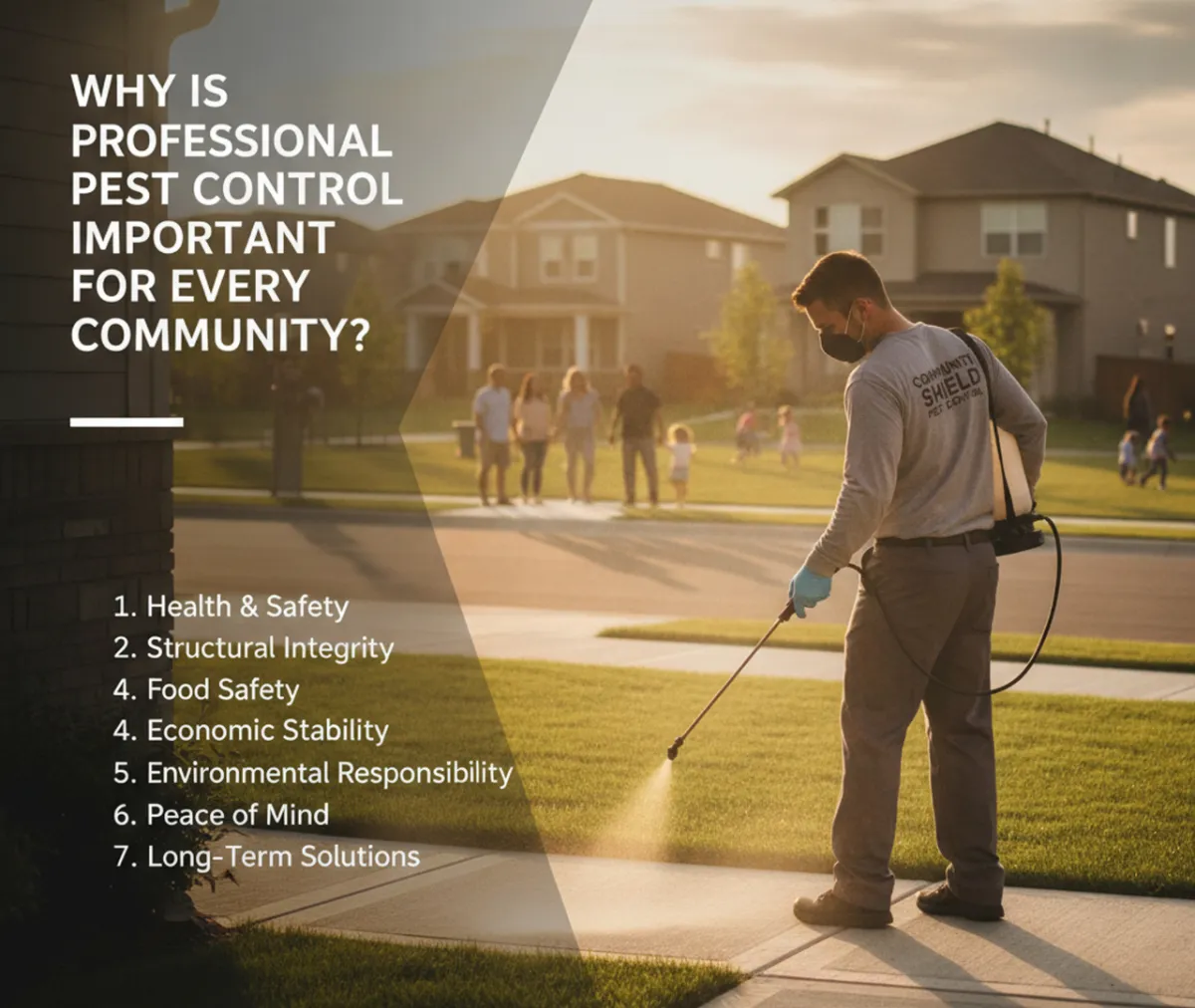
Why Is Professional Pest Control Important for Every Community?
Professional pest control is important for every community because it helps protect public health, prevents property damage, reduces pest-related risks, and supports a safer and healthier environment. Effective pest management can control infestations before they become serious problems, helping homes, businesses, schools, and public spaces remain clean and comfortable for everyone.
Pests are more than just a nuisance. Rodents, insects, and other unwanted pests can spread disease, damage structures, contaminate food, and negatively affect quality of life. Professional pest control services provide the knowledge, tools, and strategies needed to manage pest populations safely and effectively throughout the year.
Why Pest Control Matters in Every Community
Every community faces pest challenges. Whether in residential neighborhoods, apartment complexes, schools, restaurants, parks, or commercial buildings, pests can quickly become a problem if left untreated.
Common community pests include:
Ants
Cockroaches
Rodents
Mosquitoes
Termites
Bed bugs
Flies
Wasps
Without proper control measures, these pests can multiply rapidly and spread throughout surrounding areas.
Professional pest control helps communities address problems before they become widespread.
Protecting Public Health
One of the most important reasons for professional pest control is protecting public health.
Certain pests may carry bacteria, viruses, or other harmful organisms that can affect people and pets.
Examples include:
Rodents contaminating food and surfaces
Mosquitoes transmitting diseases
Cockroaches spreading allergens and bacteria
Ticks carrying illnesses
Flies contaminating food preparation areas
Reducing pest populations can help lower health risks and create safer living environments.
This is especially important for children, older adults, and individuals with weakened immune systems.
Preventing Property Damage
Some pests can cause extensive structural damage if not addressed promptly.
For example:
Termites can damage wooden structures
Rodents may chew electrical wiring
Carpenter ants can weaken wood
Wildlife pests may damage insulation
Property damage often becomes more expensive to repair as infestations grow.
Professional inspections and treatments help identify problems early and reduce long-term repair costs.
Preventive services are often more affordable than major restoration projects.
Supporting Food Safety
Food safety is a major concern for homes, restaurants, grocery stores, schools, and community facilities.
Pests can contaminate food through:
Droppings
Urine
Saliva
Contact with food preparation surfaces
Professional pest control helps protect food storage and preparation areas from contamination.
This supports healthier environments and helps businesses comply with safety standards.
Proper pest management is an important part of maintaining sanitation and hygiene.
Reducing Allergens and Irritants
Certain pests can contribute to allergy and asthma symptoms.
Common triggers include:
Cockroach debris
Rodent dander
Pest droppings
Insect remains
For sensitive individuals, exposure to these allergens may worsen respiratory symptoms.
Professional pest control can help reduce these triggers and improve indoor air quality.
This can be particularly beneficial in schools, healthcare facilities, and residential communities.
Preventing Pest Populations From Growing
Many pests reproduce quickly. What begins as a small issue can become a large infestation within a short period of time.
Examples include:
Ant colonies expanding rapidly
Rodents producing multiple litters annually
Cockroach populations increasing quickly
Mosquitoes breeding in standing water
Professional pest control providers understand pest life cycles and can implement strategies that target infestations at their source.
Early intervention is often the key to successful long-term control.
Creating Safer Outdoor Spaces
Pest management is not limited to indoor environments.
Outdoor pest control can help improve community spaces such as:
Parks
Playgrounds
Walking trails
Recreational areas
Community gathering spaces
Reducing mosquito, tick, and wasp activity can make outdoor areas more comfortable and enjoyable for residents.
Safe outdoor environments encourage physical activity, social interaction, and community engagement.
The Benefits of Professional Expertise
While do-it-yourself solutions may provide temporary relief, professional pest control offers a more comprehensive approach.
Professionals can:
Identify pest species accurately
Locate nesting areas
Detect hidden infestations
Recommend preventive measures
Develop customized treatment plans
Monitor ongoing pest activity
Their training allows them to address pest problems more effectively and efficiently.
Professional evaluations can also uncover issues that property owners may overlook.
Supporting Businesses and Local Organizations
Businesses rely on clean, pest-free environments to serve customers and maintain their reputations.
Industries that benefit from professional pest control include:
Restaurants
Healthcare facilities
Schools
Hotels
Retail stores
Office buildings
A visible pest problem can negatively affect customer confidence and operational success.
Regular pest management helps businesses maintain safe and welcoming environments.
Seasonal Pest Challenges
Different pests become active during different times of the year.
Seasonal examples include:
Spring
Ants
Termites
Wasps
Summer
Mosquitoes
Flies
Stinging insects
Fall
Rodents seeking shelter
Spiders
Cockroaches
Winter
Indoor rodent activity
Stored-product pests
Professional pest control providers can adjust strategies based on seasonal conditions and local pest trends.
Year-round protection helps reduce recurring infestations.
How Communities Benefit From Preventive Pest Management
Preventive pest control focuses on stopping problems before they occur.
Benefits include:
Reduced infestations
Lower repair costs
Improved public health
Better sanitation
Increased comfort
Enhanced property value
Preventive programs often include inspections, monitoring, exclusion techniques, and targeted treatments.
Proactive approaches are generally more effective than waiting until infestations become severe.
Encouraging Community Participation
Successful pest management often involves cooperation among residents, businesses, and service providers.
Community members can help by:
Properly storing garbage
Eliminating standing water
Maintaining clean properties
Reporting pest concerns promptly
Following prevention recommendations
When everyone participates, pest management efforts become more effective.
A community-wide approach can reduce pest populations and improve overall environmental health.
Why Professional Pest Control Matters
Professional pest control supports healthier communities by addressing risks that affect homes, businesses, and public spaces. It provides expert solutions that help prevent infestations, protect property, and reduce health concerns.
By combining prevention, monitoring, and treatment strategies, professional pest management creates safer and more comfortable environments for residents and visitors alike.
Conclusion
Professional pest control is important for every community because it protects public health, prevents property damage, supports food safety, and improves overall quality of life. From controlling rodents and insects to preventing future infestations, professional services play a vital role in maintaining safe and healthy environments. Through proactive pest management and community cooperation, neighborhoods can remain cleaner, safer, and more enjoyable places to live, work, and gather.
