What Are the Most Common Household Pests — And How Can You Keep Them Away?
No matter how clean or well-maintained a home is, pests can still find their way inside. From tiny insects to larger rodents, household pests are more than just an inconvenience—they can damage property, contaminate food, and pose health risks. Understanding the most common types of pests and how to prevent them is essential for maintaining a safe and comfortable living environment.
Why Pest Control Matters
Pests are often attracted to food, water, and shelter—all of which are readily available in most homes. Once they enter, they can multiply quickly and become difficult to eliminate. Early prevention is the most effective way to avoid infestations and the problems that come with them.
Most Common Household Pests
1. Ants
Ants are among the most common household pests. They typically enter homes in search of food, especially sugary or greasy items. Once they find a food source, they leave scent trails that attract more ants, leading to large infestations.
2. Cockroaches
Cockroaches thrive in warm, moist environments such as kitchens and bathrooms. They are known for spreading bacteria and triggering allergies. Even a single cockroach sighting can indicate a larger hidden problem.
3. Rodents (Rats and Mice)
Rodents can cause serious damage by chewing through wires, insulation, and furniture. They also carry diseases and contaminate food. Signs of rodents include droppings, gnaw marks, and scratching noises in walls.
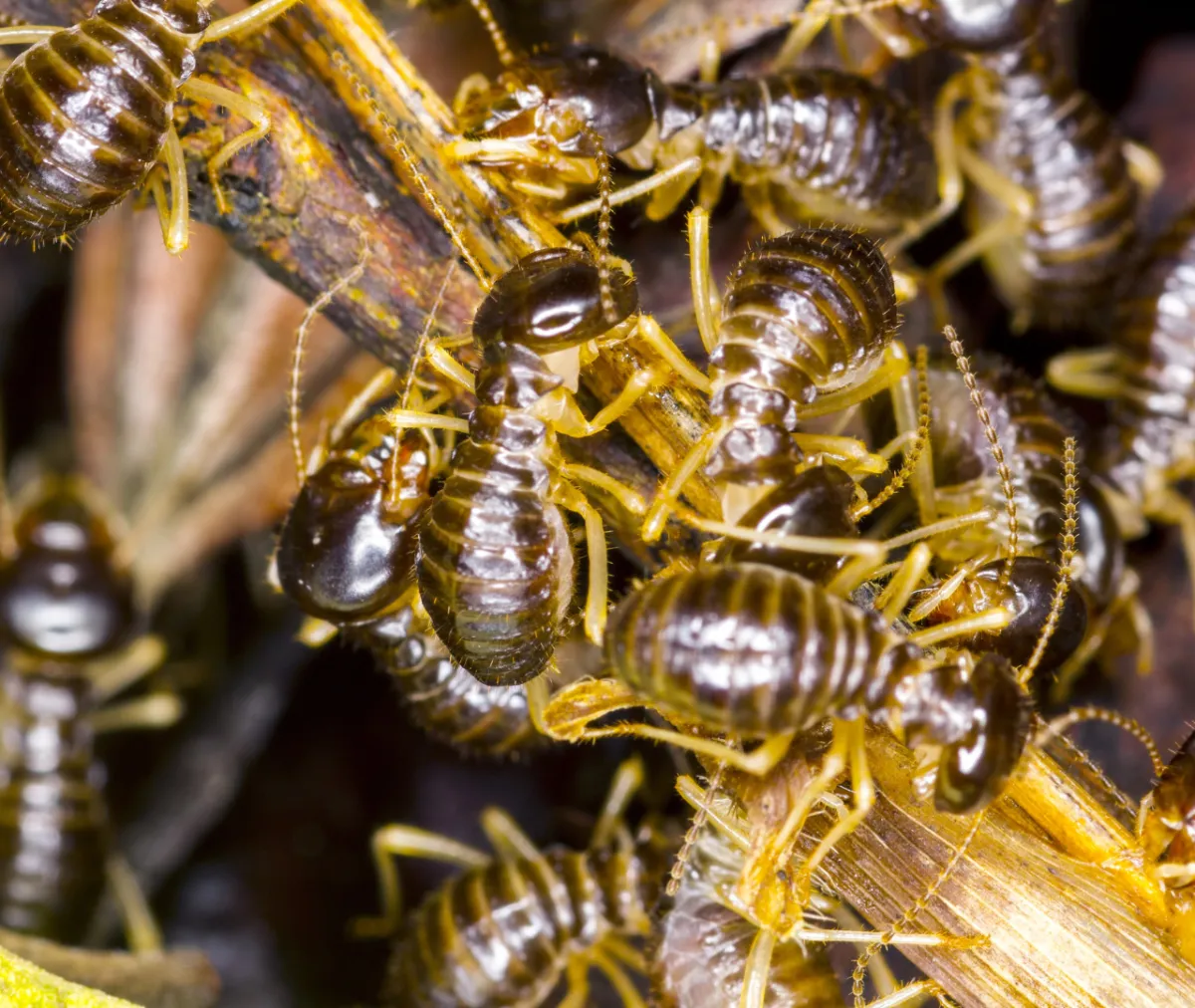
4. Termites
Termites are silent destroyers that feed on wood and can compromise the structural integrity of a home. They often go unnoticed until significant damage has already occurred.
5. Mosquitoes
Mosquitoes are not only annoying but also potential carriers of diseases. They breed in stagnant water and are more active in warm, humid conditions.
6. Bed Bugs
Bed bugs are small, elusive pests that feed on human blood, usually at night. They hide in mattresses, furniture, and cracks, making them difficult to detect and eliminate.
7. Flies
Flies are attracted to food waste and garbage. They can spread bacteria by landing on surfaces and food, making them a hygiene concern.
How to Keep Pests Away
Preventing pests is far easier and more effective than dealing with an infestation. Here are some practical steps homeowners can take:
Maintain Cleanliness
Keeping your home clean is one of the most important ways to prevent pests. Regularly clean kitchen surfaces, sweep floors, and avoid leaving food out in the open. Dispose of garbage promptly and keep trash bins tightly sealed.
Store Food Properly
Pests are often drawn to easily accessible food. Store food in airtight containers and avoid leaving leftovers uncovered. This simple step can significantly reduce the chances of attracting ants, cockroaches, and rodents.
Eliminate Moisture
Many pests thrive in damp environments. Fix leaking pipes, ensure proper ventilation, and avoid water accumulation in areas like sinks and bathrooms. Reducing moisture makes your home less inviting to pests.
Seal Entry Points
Pests can enter through even the smallest openings. Inspect your home for cracks, gaps, or holes in walls, doors, and windows. Seal these entry points to prevent pests from getting inside.
Manage Waste Effectively
Garbage is a major attraction for pests. Use bins with tight-fitting lids and clean them regularly. Keeping waste areas clean helps prevent flies, rodents, and other pests from gathering.
Keep Outdoor Areas Maintained
Pests often originate outside the home. Trim bushes, mow the lawn, and remove debris or standing water from your surroundings. Keeping outdoor spaces tidy reduces the likelihood of pests entering your home.
Use Preventive Measures
Natural repellents, traps, or safe pest control products can help keep pests at bay. Regular inspections and preventive treatments can stop infestations before they start.
When to Seek Professional Help
If pest problems persist despite preventive efforts, it may be time to consult a professional pest control service. Experts can identify the source of the problem and provide effective solutions tailored to your situation.
Final Thoughts
Household pests are a common challenge, but they don’t have to become a major problem. By understanding the types of pests that commonly invade homes and taking proactive steps to prevent them, homeowners can maintain a clean, safe, and comfortable living environment.
Consistency is key—regular cleaning, proper maintenance, and early action can make all the difference. A little effort today can save you from bigger problems tomorrow.
Legal Disclaimer: This post is strictly for educational use and should not be construed as professional advice (medical, legal, financial, or otherwise).
