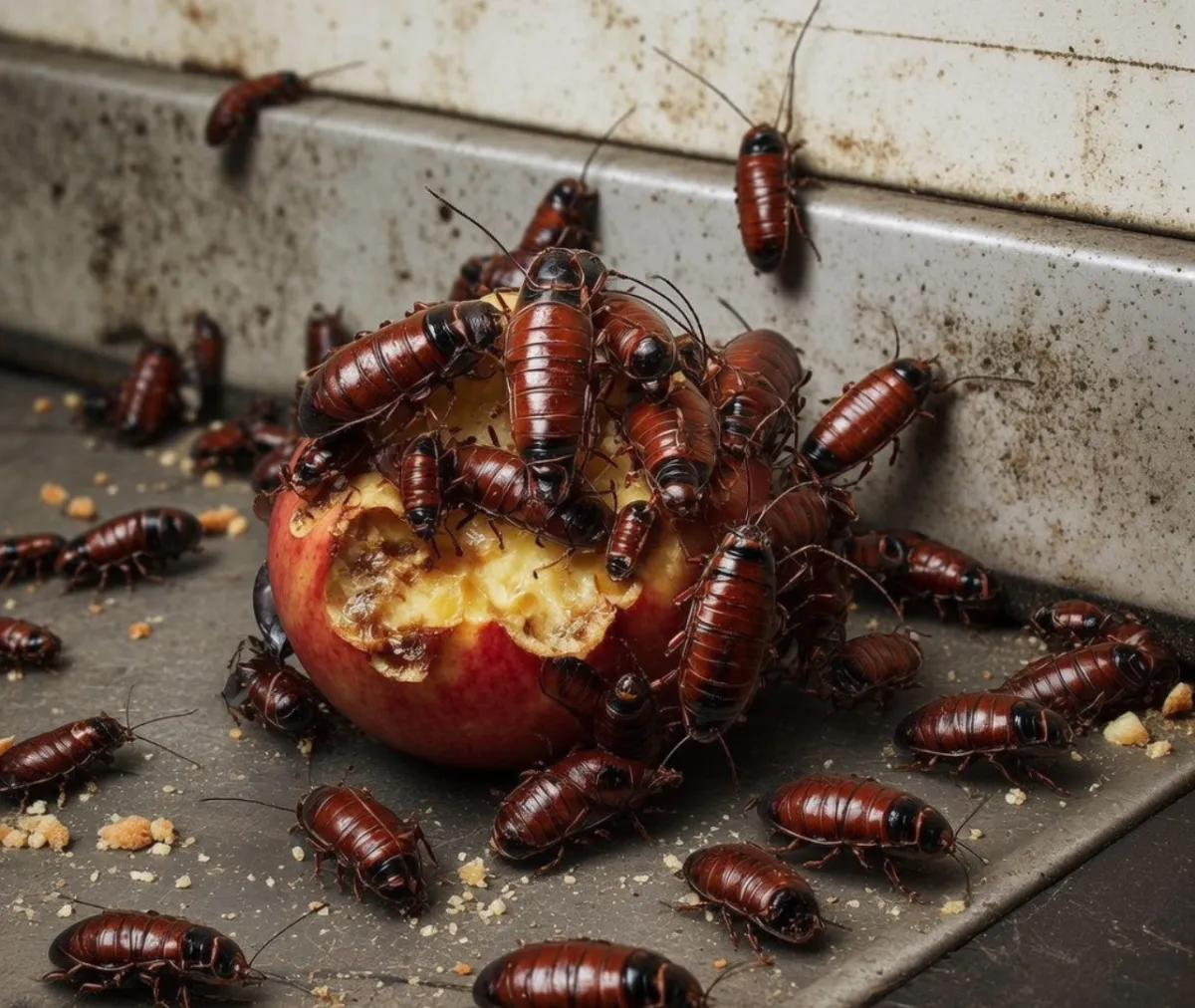
What Are the First Warning Signs of a Pest Infestation Every Homeowner Should Watch For?
The first warning signs of a pest infestation are usually small but noticeable changes in your home. Homeowners should watch for:
Droppings or urine stains in corners, cabinets, or under sinks
Unusual scratching, scurrying, or buzzing sounds—especially at night
Chewed wires, furniture, food packaging, or wooden structures
Foul or musty odors that don’t go away with cleaning
Grease marks or tracks along walls and baseboards
Nests made from paper, fabric, or insulation
Increased sightings of insects or rodents, even during the day
Catching these early signs can prevent a minor issue from becoming a full-blown infestation that is costly and difficult to control.
Why Early Detection of Pest Infestations Matters
Pests are more than just a nuisance—they can damage your property and pose serious health risks. Rodents can chew through electrical wiring and increase the risk of fire hazards. Cockroaches and flies can spread bacteria, while termites silently destroy wooden structures from the inside out.
The earlier you identify the signs, the easier and more affordable it is to eliminate the problem. Ignoring early warning signs often leads to rapid pest multiplication, making treatment more complex.
Common Early Signs of a Pest Infestation
1. Droppings and Urine Trails
One of the most obvious signs of pests is droppings. These can vary in size and shape depending on the pest:
Small black pellets may indicate rodents
Tiny specks could be from cockroaches
Larger droppings might suggest bigger animals like squirrels
You may also notice urine stains or a strong ammonia-like smell, especially in hidden areas.
2. Strange Noises Inside Walls
If you hear scratching, squeaking, or movement inside walls, ceilings, or under floors—especially at night—it could indicate rodents or other pests. These sounds are often more noticeable when the house is quiet.
3. Property Damage
Pests often leave behind physical damage, including:
Gnawed wires or cables
Holes in walls or wooden furniture
Torn food packaging in the kitchen
Termites are particularly dangerous because they can cause structural damage before you even realize they’re present.
4. Unpleasant Odors
A persistent, unusual smell can signal a pest problem. For example:
Musty odors may indicate cockroaches
Rotting smells could mean dead pests inside walls
Strong ammonia scents often point to rodent urine
If cleaning doesn’t remove the smell, it’s worth investigating further.
5. Grease Marks and Tracks
Rodents often follow the same paths along walls, leaving behind greasy smudges or footprints. These marks are usually visible near baseboards, behind appliances, or in dark corners.
6. Nests and Hidden Shelters
Pests build nests in hidden areas like attics, basements, and behind appliances. These nests are often made from shredded paper, fabric, or insulation. Finding even a small nest is a clear sign of activity.
7. Increased Pest Sightings
Seeing one pest occasionally may not seem alarming, but frequent sightings—especially during the day—are a major red flag. Many pests are nocturnal, so daytime activity often indicates a larger population.
Seasonal Relevance: Why Pest Activity Increases During Certain Times
Pest infestations often become more noticeable during seasonal changes. Warmer months, in particular, bring increased pest activity as insects breed faster and search for food and shelter.
During the summer and monsoon seasons, moisture and humidity create ideal conditions for pests like ants, cockroaches, and mosquitoes. Meanwhile, rodents may seek shelter indoors during extreme heat or heavy rains.
This seasonal surge makes it especially important for homeowners to stay vigilant and act quickly when they notice early warning signs.
How to Prevent a Pest Infestation
While identifying early signs is crucial, prevention is always better than treatment. Here are simple steps homeowners can take:
Keep your home clean and free of food crumbs
Store food in airtight containers
Seal cracks, gaps, and entry points around doors and windows
Fix leaks and reduce moisture buildup
Dispose of garbage regularly
Maintain your garden and trim vegetation near the house
Regular inspections—especially in hidden areas—can also help catch issues early.
When Should You Call a Professional?
If you notice multiple warning signs or if the problem persists despite basic cleaning and prevention efforts, it’s time to contact a pest control professional. Experts can accurately identify the type of pest, locate hidden infestations, and apply targeted treatments.
Delaying professional help can lead to more severe damage and higher costs in the long run.
Final Thoughts
The first warning signs of a pest infestation are often subtle but should never be ignored. Droppings, unusual noises, property damage, and persistent odors are all early indicators that something is wrong.
By staying alert and taking quick action, homeowners can protect their property, maintain a healthy living environment, and avoid costly repairs. Regular monitoring and preventive measures are the key to keeping your home pest-free year-round.
Legal Disclaimer: This post is strictly for educational use and should not be construed as professional advice (medical, legal, financial, or otherwise).
