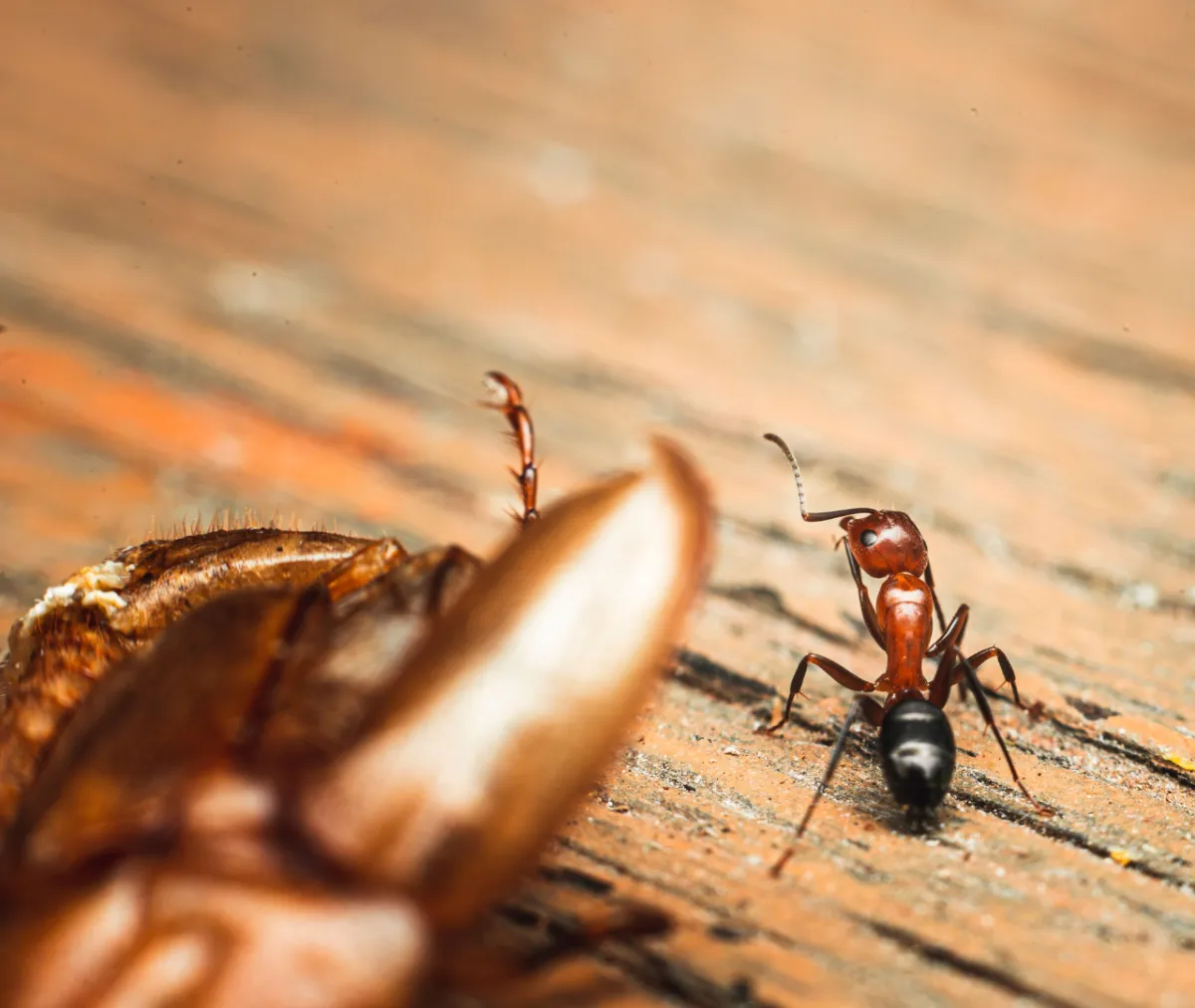
What Are the First Warning Signs of a Pest Infestation Every Homeowner Should Watch For?
A pest infestation can start small but quickly turn into a serious problem if left unnoticed. Whether it’s insects, rodents, or other unwanted intruders, pests can damage property, contaminate food, and even pose health risks. The key to preventing a full-blown infestation lies in early detection. By recognizing the first warning signs, homeowners can take prompt action and avoid costly repairs and health concerns.
Why Early Detection Matters
Pests often enter homes quietly and multiply rapidly. By the time visible damage appears, the infestation may already be well established. Early detection allows for quicker, more effective control measures, reducing both risk and expense.
Understanding the subtle signs of pest activity can help homeowners stay one step ahead.
Unusual Droppings and Residue
One of the earliest and most noticeable signs of a pest problem is the presence of droppings. Different pests leave different types of waste, but any unusual residue around your home should not be ignored.
You may find small, dark droppings in kitchen cabinets, under sinks, or along baseboards. Rodents typically leave pellet-shaped droppings, while insects like cockroaches may leave smaller, scattered marks.
These droppings are not just unpleasant—they can also carry bacteria and contaminate surfaces.
Strange Noises in Walls or Ceilings
Hearing unusual sounds, especially at night, can indicate pest activity. Scratching, scurrying, or gnawing noises inside walls, ceilings, or under floors are often signs of rodents.
Since many pests are nocturnal, these sounds may be more noticeable during quiet hours. Ignoring these noises can allow the problem to worsen over time.
Damage to Property and Materials
Pests often leave behind visible signs of damage. Chewed wires, gnawed furniture, torn insulation, or damaged food packaging are all red flags.
Rodents, in particular, have strong teeth that can chew through wood, plastic, and even electrical wiring, increasing the risk of fire hazards. Termites and other insects may cause structural damage by feeding on wood, often going unnoticed until the damage becomes severe.
Unpleasant or Unusual Odors
A persistent, unexplained odor in your home can be a sign of pests. Rodents often produce a strong, musky smell, while cockroach infestations can create an oily or musty odor.
In some cases, the smell may come from hidden nests or even deceased pests in walls or hard-to-reach areas. If a smell lingers despite cleaning, it’s worth investigating further.
Sightings of Live or Dead Pests
Seeing a single pest may not seem alarming, but it can indicate a larger hidden problem. Pests rarely travel alone, and spotting one often means there are more nearby.
Dead insects or rodents can also signal an infestation, especially if they appear frequently. Pay close attention to areas like kitchens, bathrooms, basements, and storage spaces where pests are more likely to hide.
Grease Marks and Tracks
Rodents tend to follow the same paths repeatedly, leaving behind grease marks or smudges along walls and floors. You may also notice footprints or tail marks in dusty areas.
These signs are often subtle but can reveal the presence of pests and their movement patterns within your home.
Nests and Hidden Shelters
Pests often build nests in hidden, undisturbed areas. These can be made from shredded paper, fabric, insulation, or other soft materials.
Common nesting spots include attics, behind appliances, inside walls, and in storage boxes. Discovering a nest is a clear indication that pests have settled in your home.
Increased Allergy Symptoms
In some cases, pest infestations can affect health before visible signs appear. Increased allergy symptoms, such as sneezing, coughing, or skin irritation, may be linked to pest droppings, shed skin, or saliva.
This is especially common with cockroaches and dust mites, which can trigger allergic reactions in sensitive individuals.
What Homeowners Can Do
If you notice any of these warning signs, taking immediate action is essential. Start by identifying the source of the problem and addressing conditions that may attract pests, such as food crumbs, moisture, or clutter.
Simple preventive measures include:
Keeping your home clean and dry
Sealing cracks and entry points
Storing food in airtight containers
Regularly inspecting hidden areas
For more serious infestations, professional pest control services may be necessary to ensure complete and safe removal.
Final Thoughts
Pest infestations rarely happen overnight, and they often provide early warning signs before becoming severe. By staying alert and recognizing these signs, homeowners can take proactive steps to protect their property and health.
Early action not only prevents damage but also saves time, money, and stress in the long run. A vigilant approach to home maintenance is the best defense against unwanted pests.
Legal Disclaimer: This post is strictly for educational use and should not be construed as professional advice (medical, legal, financial, or otherwise).
