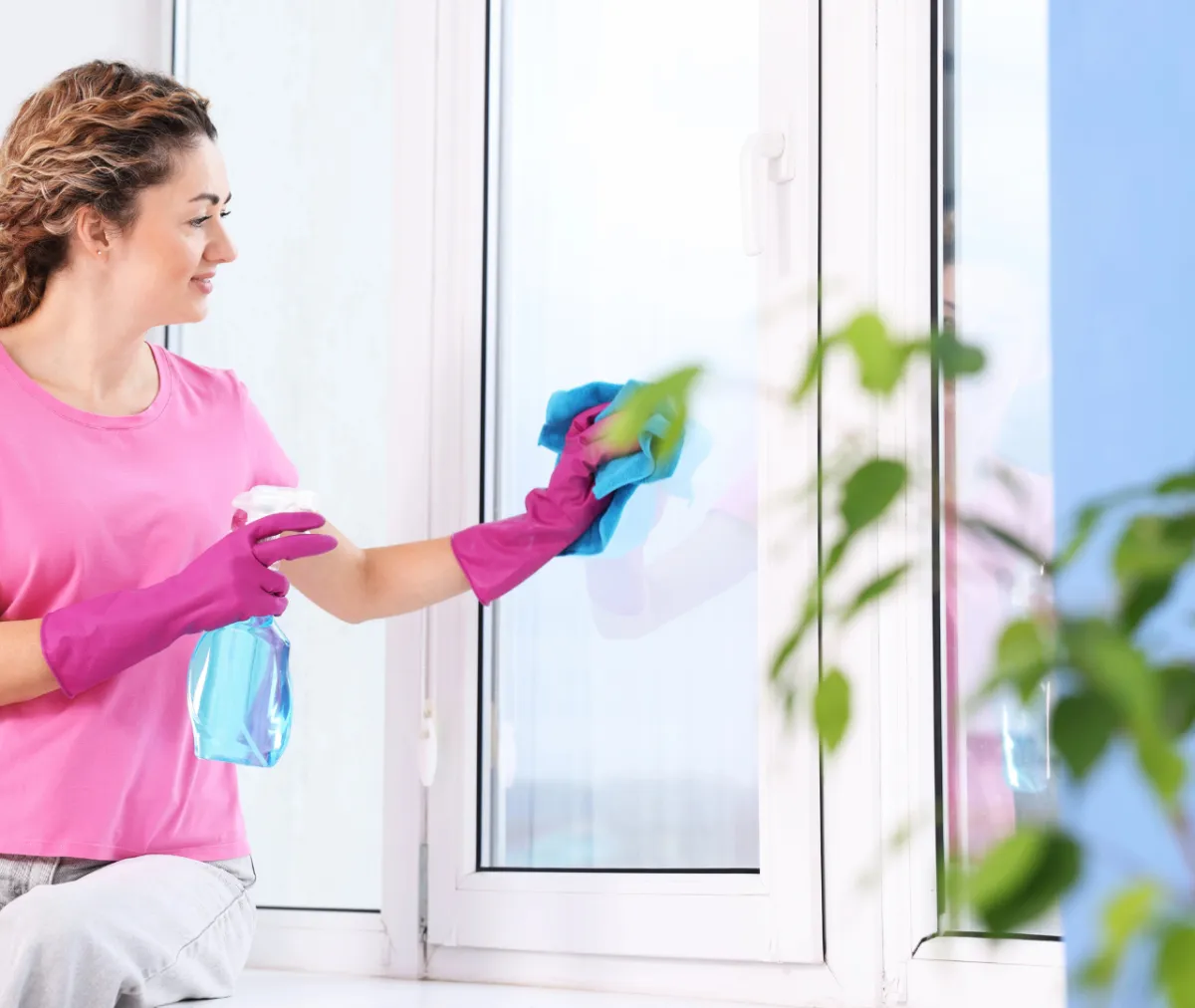
How Can Cleaner Homes Support Healthier Living During National Clean Air Month?
health and well-being. While outdoor air quality often gets the most attention, the air inside our homes plays an equally important role. In fact, indoor air can sometimes be more polluted than outdoor air due to dust, allergens, chemicals, and poor ventilation. Maintaining a clean home is one of the most effective ways to improve indoor air quality and support healthier living.
The Connection Between Clean Homes and Clean Air
Everyday activities such as cooking, cleaning, and even using household products can introduce pollutants into the air. Dust, pet dander, mold spores, and chemical residues can accumulate over time, affecting the quality of the air we breathe.
A cleaner home reduces the presence of these pollutants. By minimizing dust buildup, controlling moisture, and ensuring proper ventilation, families can significantly improve indoor air quality and create a healthier living environment.
Reducing Allergens and Respiratory Irritants
One of the biggest benefits of maintaining a clean home is the reduction of allergens. Common indoor allergens include dust mites, pet hair, pollen, and mold. These can trigger symptoms such as sneezing, coughing, watery eyes, and even asthma attacks.
Regular cleaning practices such as vacuuming, dusting, and washing bedding can help remove these irritants. Using vacuum cleaners with proper filters and cleaning hard-to-reach areas can further reduce allergen buildup.
Cleaner air means easier breathing, especially for children, older adults, and individuals with respiratory conditions.
Improving Ventilation and Air Circulation
A clean home is not just about removing dirt—it’s also about ensuring fresh air circulation. Poor ventilation can trap pollutants indoors, allowing them to accumulate over time.
Simple steps to improve ventilation include:
Opening windows to allow fresh air in
Using exhaust fans in kitchens and bathrooms
Keeping air vents clean and unobstructed
Good airflow helps remove stale air and replaces it with fresh, oxygen-rich air, which supports better health and comfort.
Controlling Moisture and Preventing Mold
Excess moisture in the home can lead to mold growth, which is a major contributor to poor indoor air quality. Mold spores can spread through the air and cause respiratory issues, allergies, and unpleasant odors.
To prevent mold:
Fix leaks promptly
Use dehumidifiers in damp areas
Keep bathrooms and kitchens well-ventilated
Clean and dry wet surfaces quickly
Maintaining a dry and clean environment helps prevent mold from developing and spreading.
Choosing Safer Cleaning Products
While cleaning is essential, some cleaning products can release harmful chemicals into the air. Strong fumes from certain sprays and disinfectants can irritate the lungs and reduce air quality.
Opting for mild, non-toxic, or natural cleaning products can make a significant difference. These alternatives are effective in maintaining cleanliness without introducing harmful pollutants.
Additionally, avoiding overuse of air fresheners and scented products can help keep indoor air cleaner and safer.
Managing Dust and Clutter
Clutter can trap dust and make cleaning more difficult. Items such as unused furniture, stacks of paper, and excess décor can collect dust over time, contributing to poor air quality.
Decluttering your home makes it easier to clean thoroughly and reduces the number of surfaces where dust can accumulate. Regularly wiping surfaces and keeping spaces organized can greatly improve the cleanliness of your indoor environment.
The Role of Air Filters and Maintenance
Air filters in air conditioning systems play a crucial role in maintaining indoor air quality. Dirty or clogged filters can circulate dust and pollutants instead of removing them.
Regularly cleaning or replacing air filters ensures that your system works efficiently. It also helps maintain consistent airflow and reduces the presence of airborne particles.
In addition, periodic maintenance of appliances and ventilation systems can prevent the buildup of harmful substances.
Encouraging Healthy Daily Habits
Cleaner homes are often the result of consistent daily habits. Small actions can have a big impact over time:
Removing shoes before entering the home
Washing hands regularly
Keeping pets clean and groomed
Cleaning spills and messes तुरंत
Encouraging these habits among family members creates a healthier environment and reduces the spread of dirt and pollutants.
Supporting Overall Well-Being
Clean air is directly linked to overall health. When indoor air quality improves, people often experience better sleep, increased energy levels, and fewer respiratory issues. A clean home also promotes mental well-being by creating a more comfortable and stress-free environment.
During National Clean Air Month, focusing on indoor cleanliness is a practical and impactful way to support healthier living. It’s a reminder that small changes at home can lead to significant long-term benefits.
Final Thoughts
Cleaner homes play a vital role in maintaining healthy indoor air quality. By reducing allergens, improving ventilation, controlling moisture, and adopting safe cleaning practices, families can create a living space that supports both physical and emotional well-being.
National Clean Air Month is the perfect opportunity to evaluate your home environment and make simple improvements that enhance air quality. Clean air starts at home—and with consistent effort, it can become a lasting part of a healthier lifestyle.
Legal Disclaimer: This post is strictly for educational use and should not be construed as professional advice (medical, legal, financial, or otherwise).
