What Safe Pest Control Methods Protect Children and Pets?
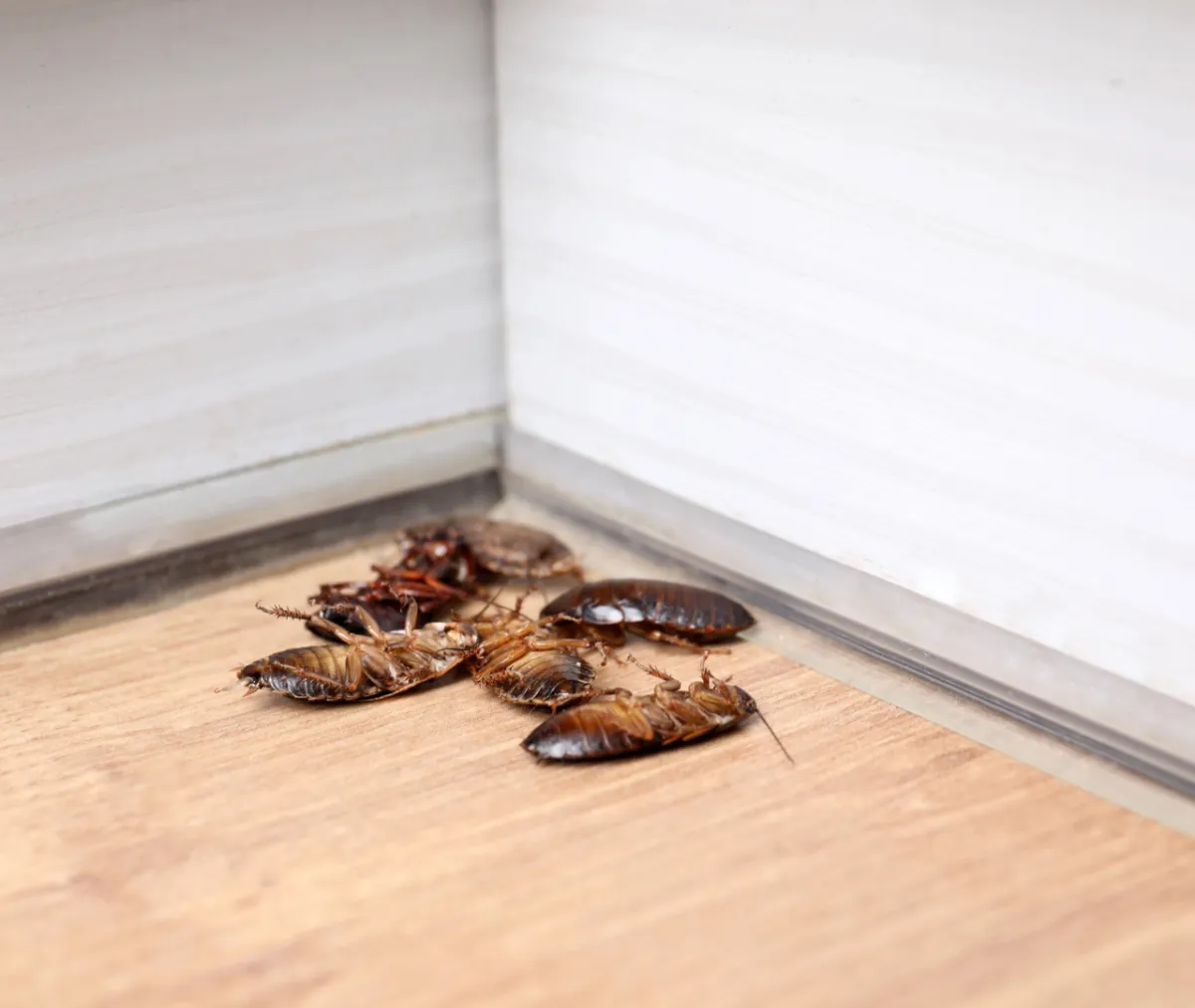
Pest infestations are a common concern for households, especially those with children and pets. Cockroaches, rodents, ants, and other pests can cause health problems, damage property, and create stressful living conditions. However, standard pest control methods often rely on chemicals that may be harmful to kids and animals. The goal is to manage pests effectively while keeping your loved ones safe. By understanding safe pest control techniques and proper maintenance practices, families can maintain a clean, healthy, and secure home environment.
Understanding Safe Pest Control Methods
Safe pest control focuses on minimizing chemical exposure while effectively managing pests. This approach prioritizes the health of family members and pets while addressing infestations.
Step by step safe pest control methods
Physical barriers – Seal cracks, crevices, and gaps around doors, windows, and baseboards to prevent pests from entering.
Traps – Use non-toxic traps such as glue boards for rodents or sticky traps for insects. Place them in areas inaccessible to children and pets.
Baits with safety locks – Use enclosed bait stations that prevent accidental contact by children or pets.
Essential oil repellents – Natural substances like peppermint oil or neem oil can deter pests without harmful chemicals.
Regular cleaning – Removing crumbs, spills, and food residues reduces pest attraction.
Heat and steam treatments – Bed bugs, mites, and other pests can be eradicated with hot water washing, steam cleaning, or heat treatments, which are safe for children and pets.
These methods provide effective control without exposing vulnerable household members to toxic substances.
Maintaining a Pest-Free Home with Pets
Pets can unintentionally bring pests into the home or become exposed to harmful substances if preventive measures are not followed.
Step by step maintenance tips
Check pets regularly – Inspect dogs, cats, and other pets for fleas, ticks, or mites, especially after outdoor activities.
Use veterinarian-recommended treatments – Only apply flea and tick preventives recommended by a veterinarian. Avoid household chemicals that are not pet-safe.
Clean pet bedding and toys – Wash bedding, blankets, and soft toys frequently to remove pests and prevent infestations.
Keep pets’ eating areas clean – Avoid leaving food out overnight, which can attract ants, cockroaches, or rodents.
Groom pets regularly – Brushing and bathing remove eggs, larvae, and fleas from fur.
Prevent access to pest control products – Store insecticides, traps, and chemical sprays out of reach of pets and children.
Proper maintenance ensures that pets remain healthy and do not contribute to pest problems in the home.
Child-Friendly Pest Prevention
Children are more sensitive to chemicals and allergens, so preventive measures must be designed with their safety in mind.
Step by step child-friendly prevention tips
Store food in sealed containers – Prevent ants, cockroaches, and rodents from accessing pantry items.
Regularly clean play areas – Sweep and mop floors, especially in areas where children play.
Use screens on windows and vents – Prevent flying insects from entering living spaces.
Educate children – Teach them not to touch traps, baits, or pests.
Monitor toys and furniture – Ensure pests are not hiding in toys, cushions, or upholstery.
Create safe zones – Designate areas for children that are regularly inspected and pest-free.
Implementing these strategies keeps children safe while maintaining a hygienic and pest-free home.
Combining Safe Practices with Professional Assistance
Even with preventive measures, some infestations require professional intervention. Using experts who specialize in child- and pet-safe pest control ensures both effectiveness and safety.
Step by step guidance for professional assistance
Choose licensed pest control providers with experience in safe treatments for homes with children and pets.
Discuss the specific pests and areas of concern before treatment.
Follow professional instructions for post-treatment ventilation and cleaning.
Use barriers to restrict access to treated areas until it is safe.
Schedule follow-up visits to prevent recurrence.
Integrate professional advice with routine home maintenance for long-term prevention.
Professional support can resolve infestations quickly and safely while minimizing risk to vulnerable family members.
Additional Tips for Long-Term Pest Safety
Long-term pest prevention requires consistent practices and awareness.
Step by step long-term tips
Inspect the home weekly for signs of pests.
Keep storage areas organized and free from moisture.
Rotate and inspect pantry items to avoid attracting insects.
Repair leaks and maintain proper drainage to prevent water accumulation.
Use natural repellents in areas children and pets frequent.
Maintain an ongoing partnership with pest control professionals for preventive strategies.
These steps ensure that your home remains safe, hygienic, and free from pests over time.
Final Thoughts
Safe pest control is crucial for protecting children, pets, and all household members from health risks and property damage. By combining physical barriers, non-toxic traps, natural repellents, proper cleaning, and professional support, families can maintain a pest-free home environment. Regular maintenance of pets, secure storage of food, and child-friendly preventive measures ensure that infestations are minimized. Mrs. Rao’s experience demonstrates that effective pest control does not have to compromise safety. A well-planned approach protects the health of children and pets, preserves the home, and creates a secure and comfortable living space for the entire family.
Legal Disclaimer: This post is strictly for educational use and should not be construed as professional advice (medical, legal, financial, or otherwise).
