How Do Winter Heating Systems Accidentally Create the Perfect Pest Hideout?
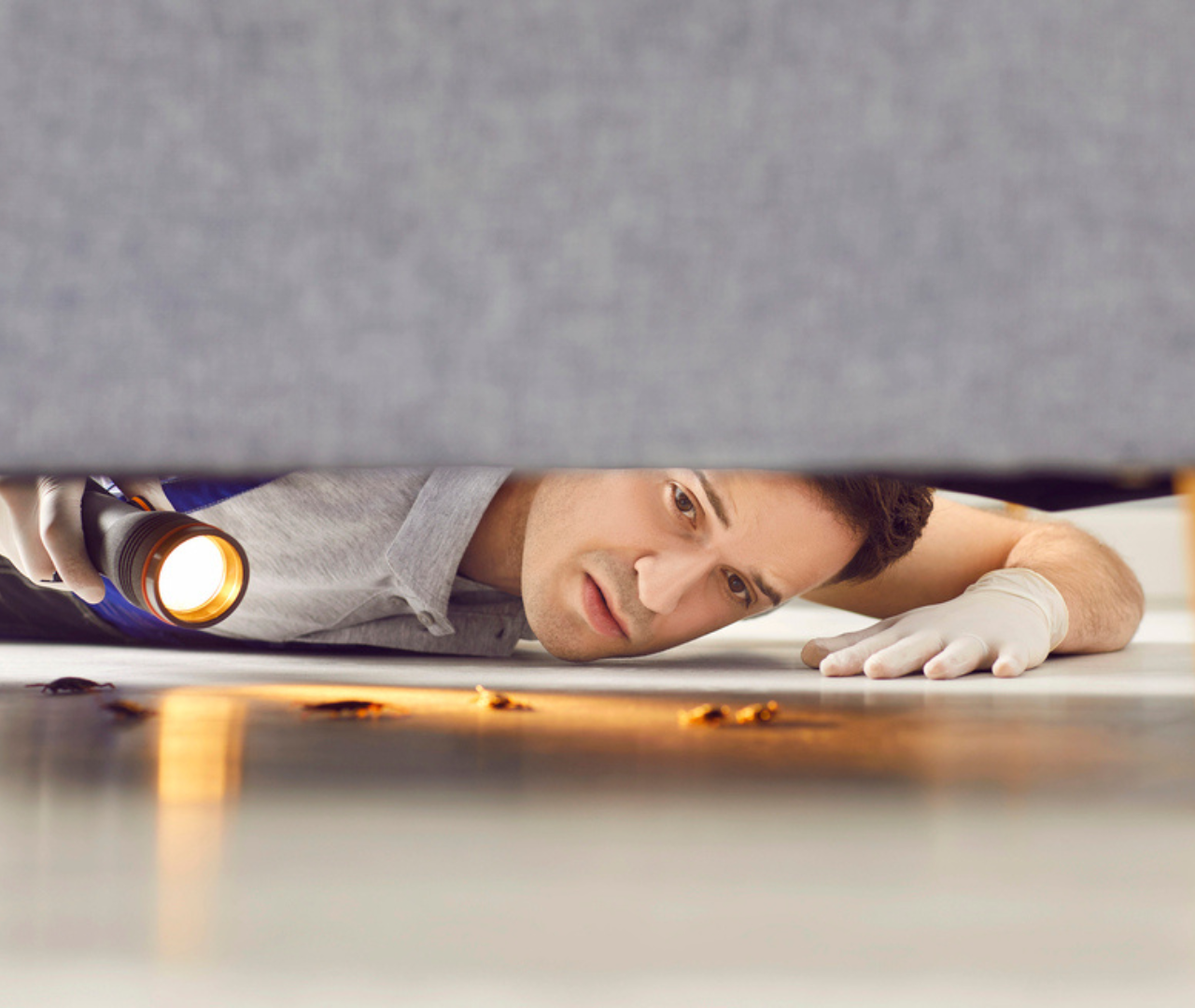
When winter sets in, most homeowners breathe a little easier. Cold weather feels like a natural pause button for pests. Windows stay shut, heaters come on, and the house finally feels sealed and safe.
But after years of working around homes, crawl spaces, and walls, I have learned something surprising.
Winter heating systems do not drive pests away. They invite them in.
Without realizing it, many homes become the most comfortable shelter pests can find during colder months.
Warmth Changes the Rules for Pests
Pests are not stubborn. They are strategic.
When outdoor temperatures drop, survival becomes simple. Find warmth. Find shelter. Find food.
Your heating system provides all three.
The moment warm air begins circulating through walls, floors, and ceilings, pests notice. They follow heat trails the same way we follow signs.
Rodents, cockroaches, ants, spiders, and even overwintering insects sense temperature changes long before humans do.
What feels cozy to you feels like a survival jackpot to them.
Why Heated Homes Feel Safer Than the Outdoors
Outside, winter is unpredictable.
Cold snaps.
Rain.
Wind.
Limited food.
Inside a heated home, conditions stay stable.
Pests are drawn to:
Consistent warmth
Hidden spaces that protect them from predators
Quiet areas with little disturbance
Access to crumbs, water, and insulation
Heating systems create pockets of warmth in places we rarely inspect.
Behind walls.
Near baseboards.
Under floors.
Around vents.
Inside attics and crawl spaces.
These spaces become winter hideouts.
The Role of Ducts, Vents, and Pipes
Heating systems rely on pathways.
Ducts carry warm air.
Pipes carry hot water.
Vents release heat into rooms.
These pathways also act as pest highways.
Small gaps around pipes and vents often go unnoticed. Pests only need openings the size of a coin or smaller.
Once inside, they follow warmth deeper into the structure.
Heating systems do not cause infestations directly. They make homes easier to navigate and harder to leave.
Why Pests Stay Once They Move In
Winter pests rarely plan short visits.
When warmth stays consistent, they settle.
They nest near heat sources.
They reproduce quietly.
They explore slowly without being noticed.
Because pest activity increases at night, homeowners often miss early signs.
By the time scratching sounds or droppings appear, pests may already be well established.
Insulation Becomes an Unexpected Bonus
Insulation exists to trap heat. Pests love it for the same reason.
Soft insulation provides:
Warmth
Nesting material
Protection from noise and light
Rodents burrow.
Insects hide.
Damage often stays hidden until spring.
Heating systems warm insulation from the inside out, creating an ideal environment pests do not want to leave.
Why Winter Infestations Are Harder to Spot
During warmer months, pests move more visibly.
In winter, they stay hidden.
They remain inside walls.
They limit movement.
They follow quiet routines.
This makes winter infestations easier to ignore and harder to detect.
Many homeowners assume pests are gone simply because they are not seen.
In reality, they are waiting.
The Silent Food Supply Problem
Heating systems dry indoor air.
Dry air increases crumbs.
Dry air pulls moisture toward sinks, drains, and pipes.
Pests find what they need quickly.
Even clean homes provide:
Pet food
Pantry storage
Trash areas
Condensation near heating units
When warmth and food exist together, pests do not search elsewhere.
Why Sealing the Home Is Not Enough
Many homeowners seal windows and doors for winter. This is helpful, but it is not complete protection.
Heating systems rely on access points.
Gaps around:
Furnace rooms
Utility lines
Basement walls
Attic access points
These areas often remain unsealed.
Pests exploit the smallest weaknesses.
The Spring Surprise Nobody Wants
Winter infestations rarely disappear on their own.
As temperatures rise, pests become active again.
Homeowners often notice problems in spring and assume pests arrived recently.
In truth, they have been there all winter.
Heating systems allowed them to survive quietly until conditions improved.
What Homeowners Can Do During Winter
Winter is actually one of the best times for prevention.
A few steps make a real difference:
Inspect areas around heating units and vents
Seal gaps around pipes and utility lines
Store food in airtight containers
Reduce clutter near warm areas
Check insulation for signs of nesting
Schedule a winter pest inspection
Prevention during winter is easier than removal in spring.
Why Awareness Matters More Than Fear
The goal is not to create panic.
It is to create awareness.
Heating systems are essential. Pests are opportunistic. Understanding how the two interact helps homeowners stay ahead of problems.
Warmth should belong to your family, not uninvited guests.
The Quiet Truth About Winter Pests
Pests do not wait for spring.
They prepare for it.
Heating systems unintentionally offer the safest shelter winter can provide. When homeowners stay proactive, pests lose their advantage.
Winter comfort does not have to come with hidden risks.
A little attention now protects your home long after the cold fades.
