What Common Pests Trigger Asthma and Allergy Symptoms?
Pest infestations are more than a nuisance in homes. They can directly impact health, especially for people with asthma, allergies, or other respiratory issues. Cockroaches, rodents, dust mites, and other common pests are known triggers for allergic reactions. For seniors, children, and individuals with compromised immune systems, exposure to these pests can lead to serious health complications. Understanding which pests are most harmful, how they affect the body, and steps to prevent them is essential for a safe and healthy living environment.
Common Pests That Trigger Asthma and Allergies
Certain pests are more likely to provoke allergic reactions. Awareness of these pests helps in prioritizing prevention and control efforts.
Step by step identification and impact tips
Cockroaches – Cockroach saliva, feces, and shed body parts contain proteins that trigger asthma attacks and allergic reactions. They often infest kitchens, bathrooms, and storage areas.
Rodents – Mice and rats leave droppings, urine, and fur that can provoke sneezing, coughing, and asthma symptoms. Their presence may also worsen indoor air quality.
Dust mites – Dust mites thrive in bedding, upholstery, and carpets. Their waste products are potent allergens that can trigger asthma, eczema, and allergic rhinitis.
Flies and mosquitoes – While primarily irritants, their saliva and body parts may trigger allergic reactions in sensitive individuals.
Ants and beetles – Certain species can provoke minor allergic reactions, especially through contamination of food or contact with sensitive skin.
Mold-inducing pests – Damp environments caused by pest activity can lead to mold growth, which is another trigger for asthma and allergies.
Recognizing these pests early allows families to take immediate action and reduce exposure to allergens.
How Pests Affect Respiratory Health
Pests impact respiratory health through allergens and irritants.
Step by step effects on health
Cockroach droppings contain proteins that trigger airway inflammation.
Rodent urine releases ammonia and proteins that irritate lungs and eyes.
Dust mites produce microscopic particles that remain airborne, causing breathing difficulties.
Pests increase indoor humidity and promote mold growth, which worsens asthma symptoms.
Scratches or bites from insects can lead to skin reactions that indirectly aggravate respiratory discomfort.
Chronic exposure to pests may increase the frequency and severity of asthma attacks.
Understanding these effects highlights why pest control is not only about comfort but also about health preservation.
Prevention Through Cleanliness and Hygiene
Maintaining cleanliness reduces the food, water, and shelter available for pests.
Step by step prevention tips
Clean kitchen counters, sinks, and dining areas daily to remove crumbs and spills.
Store food in airtight containers to prevent access by ants, cockroaches, and rodents.
Dispose of garbage regularly and keep bins covered.
Wash bedding, curtains, and rugs frequently to reduce dust mite populations.
Vacuum carpets and upholstery using a vacuum with a HEPA filter.
Maintain dry indoor conditions by fixing leaks and using dehumidifiers where necessary.
Consistent cleaning practices prevent infestations and reduce allergens in the home.
Sealing Entry Points
Preventing pests from entering the home is a proactive approach that limits exposure to allergens.
Step by step sealing tips
Seal cracks in walls, floors, and foundation to prevent rodents and insects from entering.
Install door sweeps and weather stripping to close gaps under doors.
Repair damaged window screens and vents.
Cover chimneys and attic openings with mesh screens.
Ensure pipes and utility entry points are sealed.
Inspect entry points regularly, especially after storms or structural changes.
Physical barriers significantly reduce the likelihood of pest-related allergen exposure.
Safe Pest Control Methods
When infestations occur, using safe and effective pest control is essential for protecting health.
Step by step safe control tips
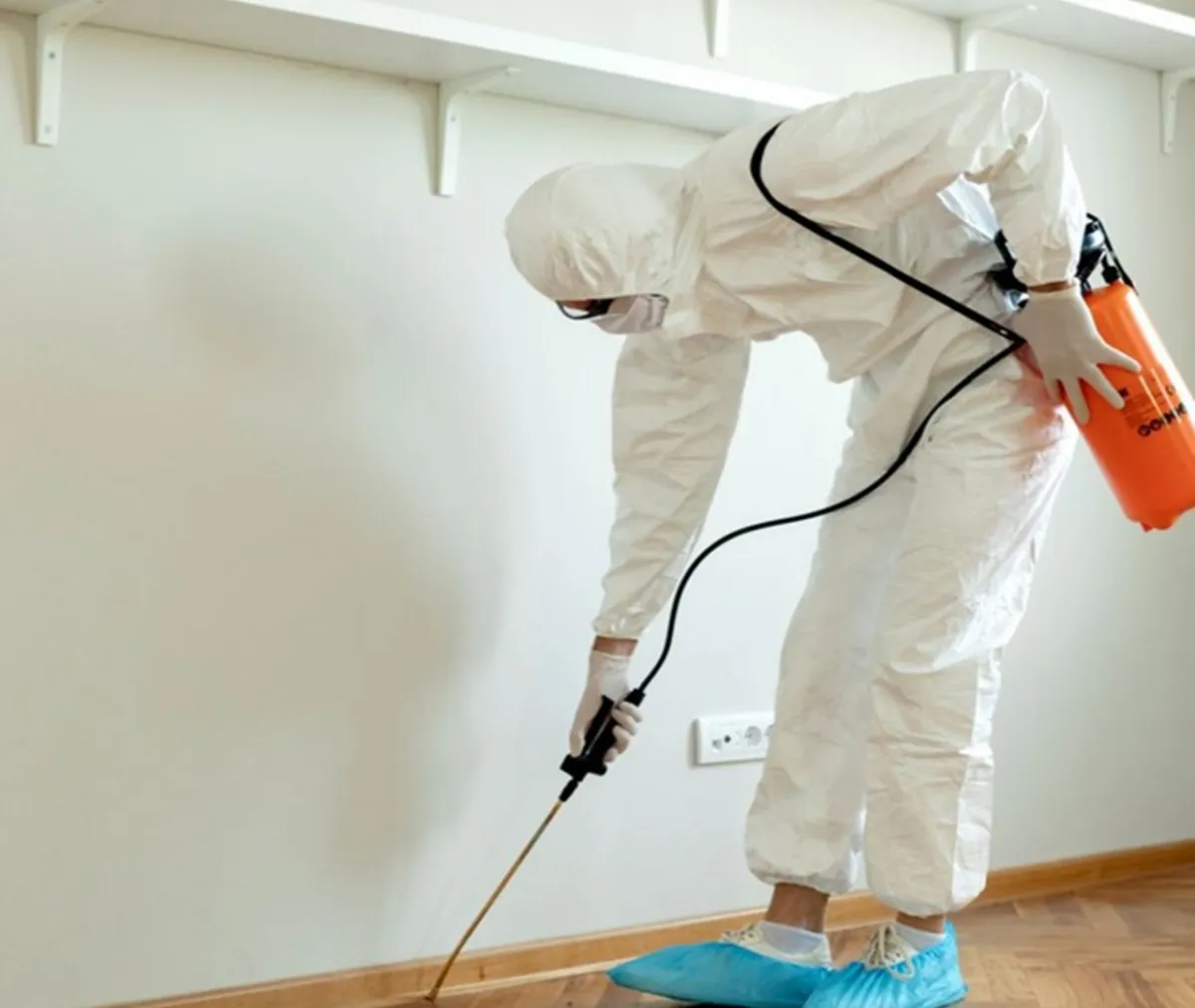
Consult licensed pest control professionals experienced in safe treatments for homes with children and seniors.
Use traps, baits, and natural repellents that minimize chemical exposure.
Apply pesticides according to professional guidelines and avoid areas frequented by sensitive individuals.
Regularly monitor problem areas to catch new infestations early.
Combine chemical treatments with cleanliness, sealing, and storage practices.
Educate household members about pest safety and prevention.
A combination of professional intervention and home maintenance ensures a pest-free and allergen-reduced environment.
Long-Term Maintenance for Health
Sustainable pest control requires ongoing monitoring and consistent practices.
Step by step long-term tips
Rotate and inspect stored food regularly.
Continue cleaning high-risk areas such as kitchens, bathrooms, and bedrooms.
Maintain low indoor humidity to prevent dust mite and mold growth.
Inspect the home seasonally for cracks, leaks, or signs of pest activity.
Maintain professional pest control schedules if needed.
Educate children and family members to report sightings promptly.
Long-term maintenance ensures the home remains safe, comfortable, and allergen-free.
Final Thoughts
Pests are a major trigger for asthma and allergy symptoms in homes. Cockroaches, rodents, dust mites, and other pests can compromise indoor air quality, provoke respiratory distress, and affect the overall well-being of children, seniors, and sensitive individuals. Through proactive identification, cleanliness, sealing of entry points, safe pest control methods, and consistent maintenance, families can minimize health risks. Mr. Sharma’s experience demonstrates that combining expert advice with preventive practices can significantly improve indoor health. Protecting the home from pests is an essential step toward reducing asthma and allergy triggers and creating a safe environment for all residents.
Legal Disclaimer: This post is strictly for educational use and should not be construed as professional advice (medical, legal, financial, or otherwise).
