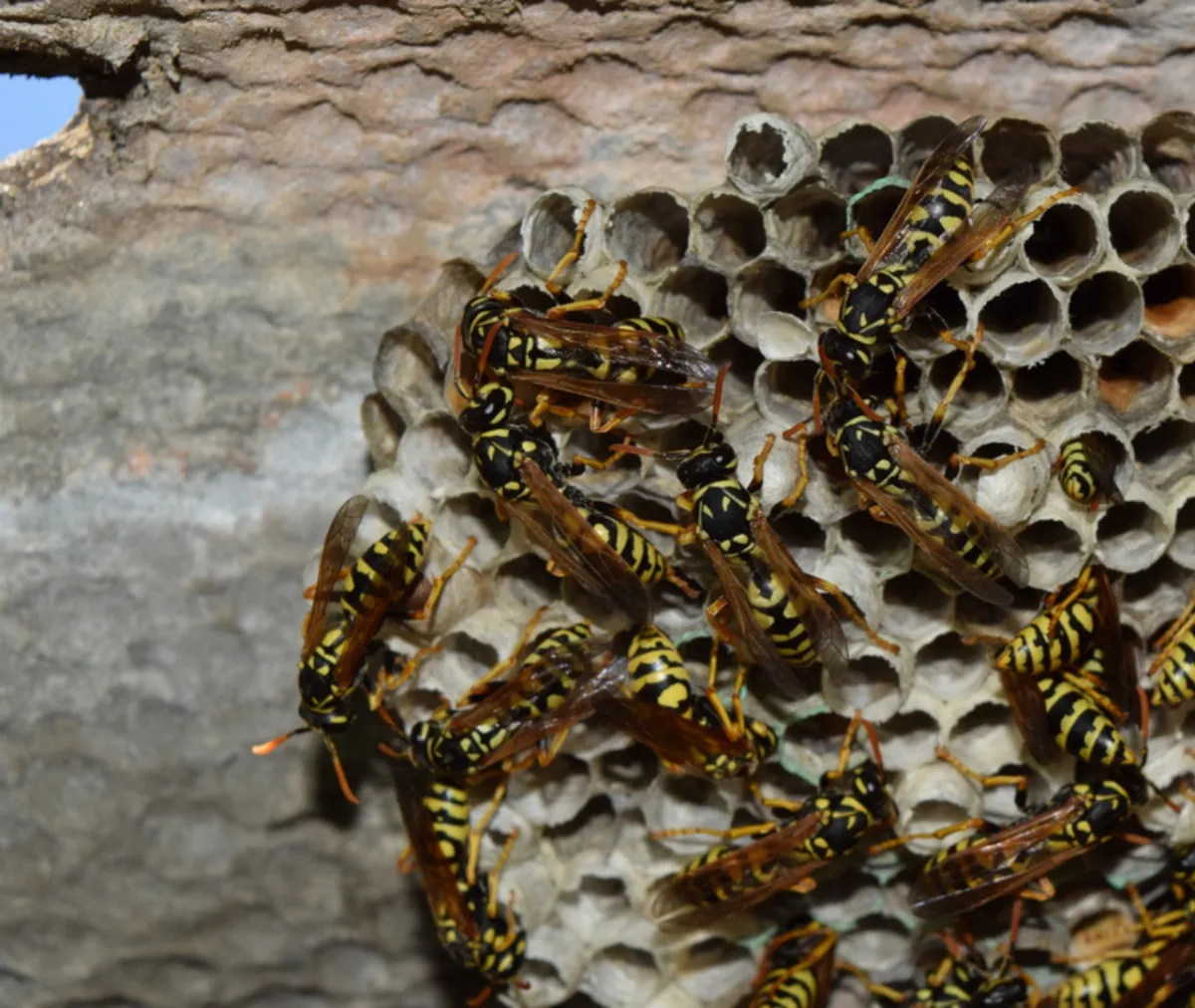
Why Should You Act Now Before Wasps and Bees Start Building Nests?
You should act early because wasps and bees are easiest to control before nests are built or fully established. Once a nest grows, it becomes harder, riskier, and more expensive to remove. During early summer, especially in June, taking quick action can prevent safety issues and keep your home and outdoor spaces comfortable.
As the weather warms up, queen wasps and bees begin searching for places to build nests. This is the best time to act because activity is still low. If ignored, these small beginnings can turn into large colonies within a few weeks. Acting early helps you avoid bigger problems later in the season.
Here’s why early action matters:
Prevents nests from forming near your home
Reduces risk of stings and allergic reactions
Stops small problems from becoming large infestations
Limits aggressive behavior later in the season
Makes removal safer and simpler
These benefits make early prevention the safest and most effective approach.
Early season means smaller, easier to manage activity
In the early part of summer, insect activity is just starting. At this stage:
Nests are small or not yet built
There are fewer insects present
Wasps and bees are less aggressive
This makes it much easier to manage or prevent nesting. Once a colony grows, it can include hundreds or even thousands of insects, which increases the risk and difficulty of removal.
Nests grow fast in warm weather
Warm temperatures speed up the life cycle of wasps and bees. What starts as a small nest can grow quickly.
Small nests turn into large colonies within weeks
Worker insects multiply rapidly
Activity increases around your home
Delaying action allows the problem to grow, making it harder to control later.
Increased risk of stings
As nests grow, wasps become more protective and aggressive. This increases the risk of stings.
Colonies become more territorial
Insects react quickly to disturbances
Multiple stings can occur at once
This is especially dangerous for children, seniors, and anyone with allergies. Early action helps reduce this risk.
Common nesting areas around homes
Wasps and bees look for quiet and sheltered places to build nests. It is important to check these areas regularly.
Roof edges and attic spaces
Wall gaps and vents
Trees, bushes, and garden areas
Garages, sheds, and outdoor furniture
Inspecting these spots early can help you catch signs of nesting before it becomes a bigger issue.
Early prevention is safer than removal
Removing a large nest later can be dangerous without professional help. Early prevention is much safer and easier.
Avoid emergency pest situations
Prevent damage to your home
Reduce the need for risky DIY removal
Simple steps taken early can save time, money, and stress.
Protect your outdoor spaces
Taking action early helps you enjoy your home without worry.
Keep entryways and walkways clear
Make outdoor areas safe for family and pets
Reduce fear of stings during daily activities
A nest-free space makes summer more relaxing and enjoyable.
Simple steps to take now
Inspect your home’s exterior regularly
Seal cracks, holes, and openings
Remove food sources like open trash or sugary spills
Keep outdoor areas clean and uncluttered
Act quickly if you notice early insect activity
These small steps can prevent nesting and keep your home protected.
Seasonal reminder for early summer
June is the ideal time to start checking for pest activity. Acting now, before nests are fully formed, is the best way to avoid problems later. Regular checks and simple maintenance can make a big difference.
Final thoughts
Acting before wasps and bees start building nests is the most effective way to prevent a larger problem. Early action keeps your home safer, reduces risks, and makes pest control easier. By staying alert and taking simple preventive steps, you can enjoy a safer and more comfortable summer.
Legal Disclaimer: This post is strictly for educational use and should not be construed as professional advice (medical, legal, financial, or otherwise).
