How Do Pests Enter Homes — And What Simple Steps Can Stop Them?
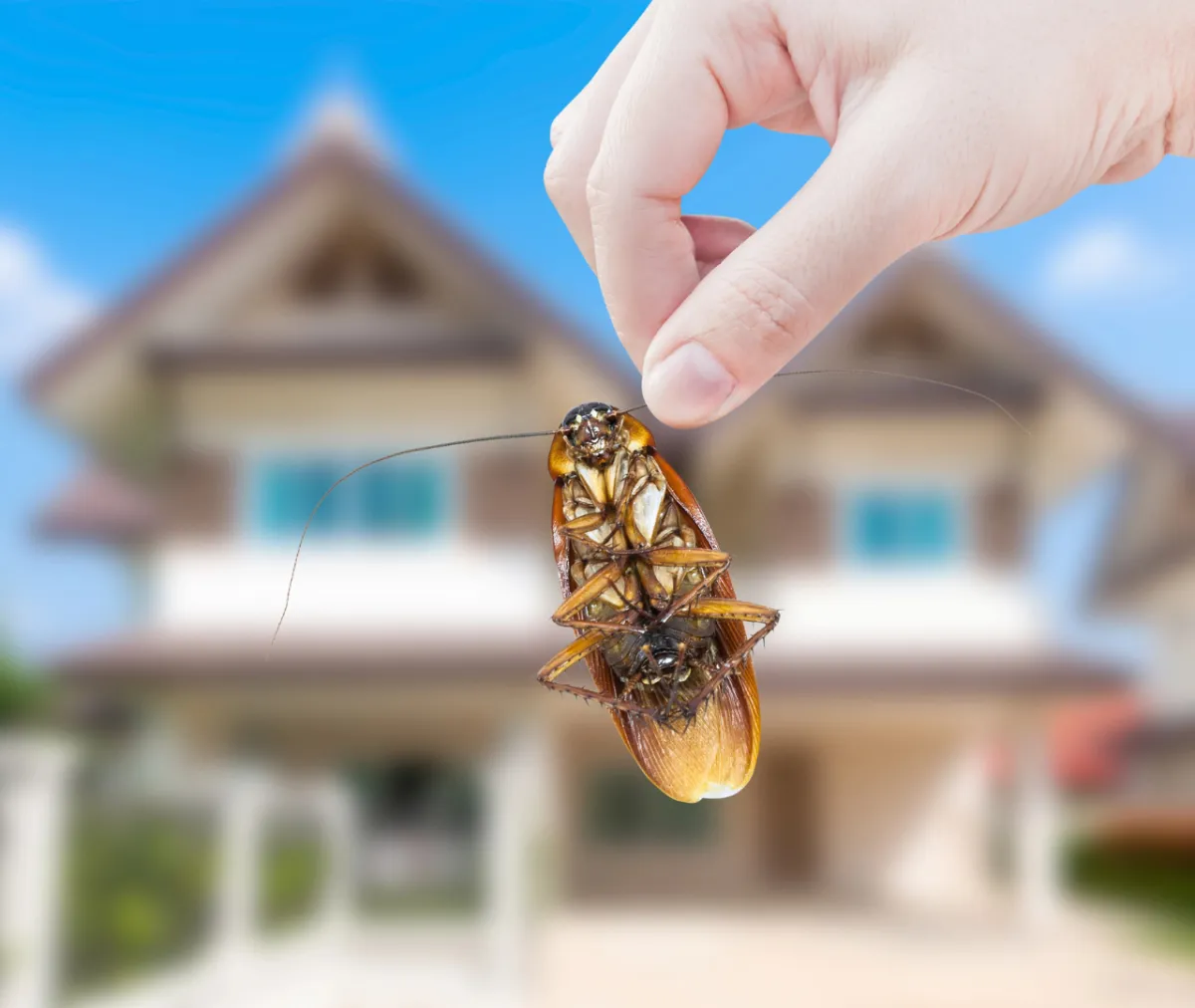
A clean and well-maintained home can still fall victim to pests. Many homeowners assume that infestations only occur in untidy spaces, but the truth is that pests are highly adaptable and can enter almost any home in search of food, water, and shelter. Understanding how pests get inside—and what simple steps can prevent them—is key to protecting both your home and your health.
How Do Pests Enter Homes?
Pests are experts at finding entry points, often exploiting areas that go unnoticed. Even the smallest gaps can become access routes.
1. Cracks and Gaps in Walls
Tiny cracks in walls, foundations, or around windows and doors are common entry points. Insects like ants and cockroaches can squeeze through extremely small openings, while rodents can enter through holes as small as a coin.
2. Doors and Windows Left Unsealed
Improperly sealed doors and windows allow pests to slip inside easily. Damaged screens or gaps around frames provide direct access, especially during the night when insects are most active.
3. Plumbing and Drain Openings
Pests are often attracted to moisture. Pipes, drains, and plumbing lines can serve as hidden pathways into your home. Cockroaches and other insects frequently travel through these damp environments.
4. Ventilation Systems and Utility Openings
Air vents, exhaust fans, and utility lines can act as entry points if not properly covered. These areas are often overlooked during routine maintenance.
5. Through Groceries, Packages, and Furniture
Sometimes, pests enter homes unintentionally through items brought inside. Cardboard boxes, grocery bags, and second-hand furniture can carry insects or eggs without being noticed.
6. Outdoor Areas Close to the House
Gardens, garbage bins, and standing water near the home can attract pests. Once they are close, finding a way inside becomes much easier.
Why It’s Important to Act Early
Pests multiply quickly. A small issue can turn into a major infestation in a short time. Once inside, pests can contaminate food, damage property, and pose health risks.
Taking preventive measures early not only saves money but also helps maintain a safe and comfortable living environment.
Simple Steps to Keep Pests Out
Preventing pests doesn’t always require complex solutions. Small, consistent actions can make a big difference.
1. Seal All Entry Points
Inspect your home regularly for cracks, gaps, or holes in walls, doors, and windows. Use sealants or weather stripping to close these openings. Installing door sweeps can also block entry from underneath doors.
2. Keep Doors and Windows Secure
Ensure that all windows and doors close tightly. Repair or replace damaged screens to keep insects out while allowing fresh air in.
3. Maintain Cleanliness
Cleanliness plays a major role in pest prevention. Regularly clean kitchen surfaces, floors, and storage areas. Avoid leaving food exposed, and clean up spills immediately.
4. Store Food Properly
Keep food in airtight containers to prevent attracting pests. This includes dry goods like grains, cereals, and snacks.
5. Manage Waste Effectively
Dispose of garbage regularly and use bins with tight-fitting lids. Overflowing or uncovered trash can quickly attract pests.
6. Eliminate Moisture Sources
Fix leaking pipes, clogged drains, or standing water. Reducing moisture makes your home less attractive to pests that thrive in damp environments.
7. Maintain Outdoor Areas
Trim plants and trees that are close to your home. Keep firewood, compost, and garbage bins at a safe distance. Ensure proper drainage to avoid water accumulation near the foundation.
8. Inspect Items Before Bringing Them Inside
Check groceries, packages, and second-hand items for any signs of pests. This simple habit can prevent accidental infestations.
9. Regular Home Inspections
Conduct routine checks in hidden areas such as basements, attics, and behind appliances. Early detection can prevent a small issue from becoming a major problem.
10. Seek Professional Help When Needed
If you notice persistent signs of pests, professional pest control services can provide effective solutions. Experts can identify hidden infestations and treat them safely.
Building a Preventive Routine
The most effective way to keep pests out is by building a consistent preventive routine. Small actions done regularly are far more effective than occasional deep cleaning or one-time fixes.
Encourage all household members to follow good hygiene practices and stay alert to any signs of pests. Prevention is a shared responsibility that ensures long-term protection.
Final Thoughts
Pests can enter homes through surprisingly small and often overlooked openings. Once inside, they can quickly become a serious problem. However, with a proactive approach and simple preventive measures, it is possible to keep your home pest-free.
By sealing entry points, maintaining cleanliness, managing waste, and staying vigilant, you can create an environment that is uninviting to pests. Protecting your home doesn’t require complicated solutions—just consistent effort and awareness.
A pest-free home is not only more comfortable but also safer and healthier for everyone living in it.
Legal Disclaimer: This post is strictly for educational use and should not be construed as professional advice (medical, legal, financial, or otherwise).
