What Early Spring Pest Signs Are Most Often Ignored Until Infestations Grow?
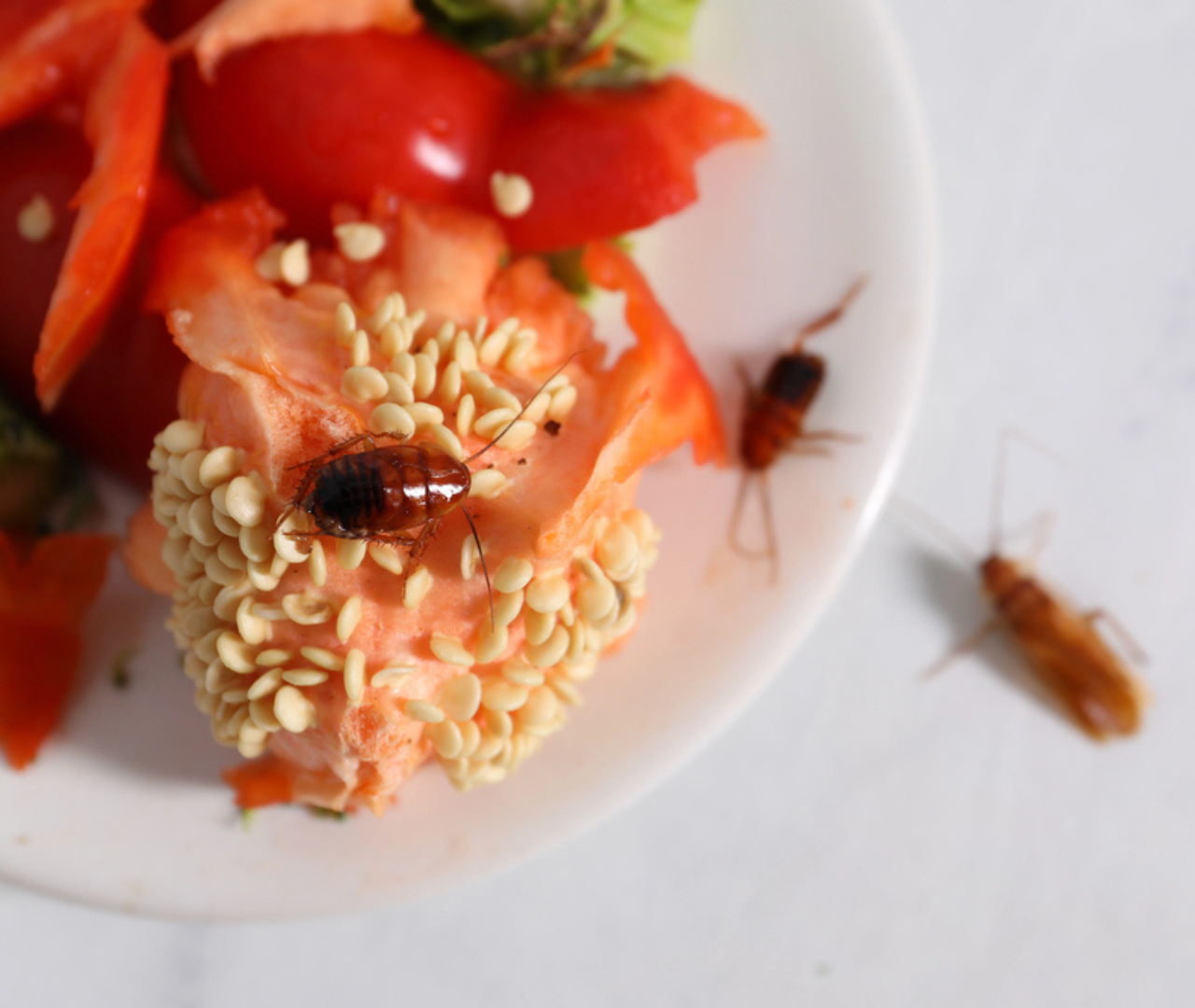
Early spring feels gentle. The air warms, flowers bud, and homes seem to breathe again after months of winter. It’s a season of optimism, but it’s also the season when pests begin their quiet return. The problem is that most homeowners overlook the earliest signs of pest activity. These subtle clues are easy to dismiss, yet they often mark the beginning of infestations that will grow stronger as the months roll on.
The Whisper Before the Shout
Pests rarely announce themselves loudly in March or April. Instead, they leave whispers—tiny signals that something is stirring. A faint odor in the attic, a few droppings near the pantry, or a single ant trail across the kitchen counter. These signs don’t feel urgent, but they are the first indicators of colonies waking up and testing your home’s defenses.
Commonly Ignored Signs
Here are the clues most often brushed aside in early spring:
Tiny droppings near cupboards or food storage: Rodents and cockroaches leave behind small, dark pellets that many mistake for dirt.
Fresh gnaw marks on cardboard or wiring: Rodents sharpen their teeth constantly, leaving behind chewed edges that look like wear and tear.
Mud tubes or pinholes in wooden trim: Termites build discreet tunnels that blend into woodwork, often mistaken for harmless cracks.
Unusual odors in walls or attics: A musty or ammonia-like smell can signal rodent nests or insect colonies.
Spider webs in new places: Spiders thrive where insects are plentiful, so new webs often mean other pests are nearby.
Each of these signs is a quiet warning. Ignoring them allows colonies to grow unchecked.
Why Homeowners Overlook Them
There are several reasons these signals slip by:
Seasonal optimism: Spring feels like renewal, so homeowners assume pests are less of a threat.
Busy schedules: Between gardening, school terms, and outdoor projects, pest control isn’t top of mind.
Subtlety of clues: Droppings look like dust, odors seem like dampness, and gnaw marks resemble wear.
Delayed consequences: Damage doesn’t appear immediately, so the urgency feels low.
This combination of optimism and distraction makes early spring the perfect time for pests to gain ground unnoticed.
The Hidden Damage
By the time ignored signs become obvious, damage is already advanced. Rodents may have chewed through wiring, increasing fire risks. Termites may have weakened structural beams. Ants may have contaminated food supplies. What could have been solved with a simple inspection in March often requires costly repairs by June.
How to Spot and Act Early
The key is awareness. Treat every unusual sign as a clue worth investigating. Here’s how to stay ahead:
Inspect storage areas: Use a flashlight to check corners, boxes, and shelves for droppings or gnaw marks.
Check wood trim and furniture: Look closely for mud tubes, pinholes, or hollow sounds when tapped.
Trust your nose: Musty or ammonia-like odors often signal hidden nests.
Monitor insect trails: A single ant or spider web can reveal larger colonies nearby.
Document findings: Keep a simple log of sightings. Patterns reveal infestations faster than isolated clues.
Turning Awareness Into Prevention
Early detection is prevention. By acting on small signs, you stop colonies before they expand. Seal cracks, store food securely, fix leaks, and clear clutter. If you find evidence of termites or rodents, call a professional immediately. The cost of inspection is far less than the cost of repair.
A Seasonal Reminder
Spring is not just about flowers and fresh air. It’s also the season when pests quietly prepare. The signs are there, but they’re easy to miss. By paying attention to whispers, you prevent shouts. By treating small clues seriously, you protect your home from months of frustration and thousands in damage.
The Takeaway
Early spring pest signs are often ignored because they seem minor. Yet they are the earliest indicators of colonies forming. Homeowners who notice and act enjoy peace of mind and healthier homes. Those who dismiss them face infestations that grow stronger with each passing week. This season, let awareness be your greatest tool. Listen to the whispers before they become shouts.
