What Pests Can Damage Stored Items and Living Spaces Quickly?
Pest infestations are more than a nuisance. They can cause serious damage to homes, belongings, and stored items. From food contamination to structural damage, pests pose a threat to health, safety, and property value. In my years of working in home care and pest control, I have seen the impact firsthand. Seniors, families, and individuals who are unaware of these risks often experience costly repairs and health complications. Understanding which pests are most destructive and learning how to prevent and control them is essential for a safe and comfortable home.
Take the example of Mr. Kumar, a retired teacher living alone. He noticed small holes in stored grains and a musty smell in his pantry. Soon, cockroaches and rodents were spotted in the kitchen and living room. The infestation caused food contamination and minor structural damage to wooden shelves. After consulting a pest control expert and implementing preventive measures, he was able to restore his home to a safe and hygienic condition. His experience illustrates how pests can quickly turn small issues into significant problems if not addressed promptly.
Common Pests That Damage Homes and Stored Items
Several types of pests can cause rapid damage to living spaces and stored belongings. Knowing the common culprits is the first step in protecting your home.
Step by step pest awareness tips
Rodents – Rats and mice chew on wires, furniture, and stored food. They can also spread diseases and leave droppings in living spaces.
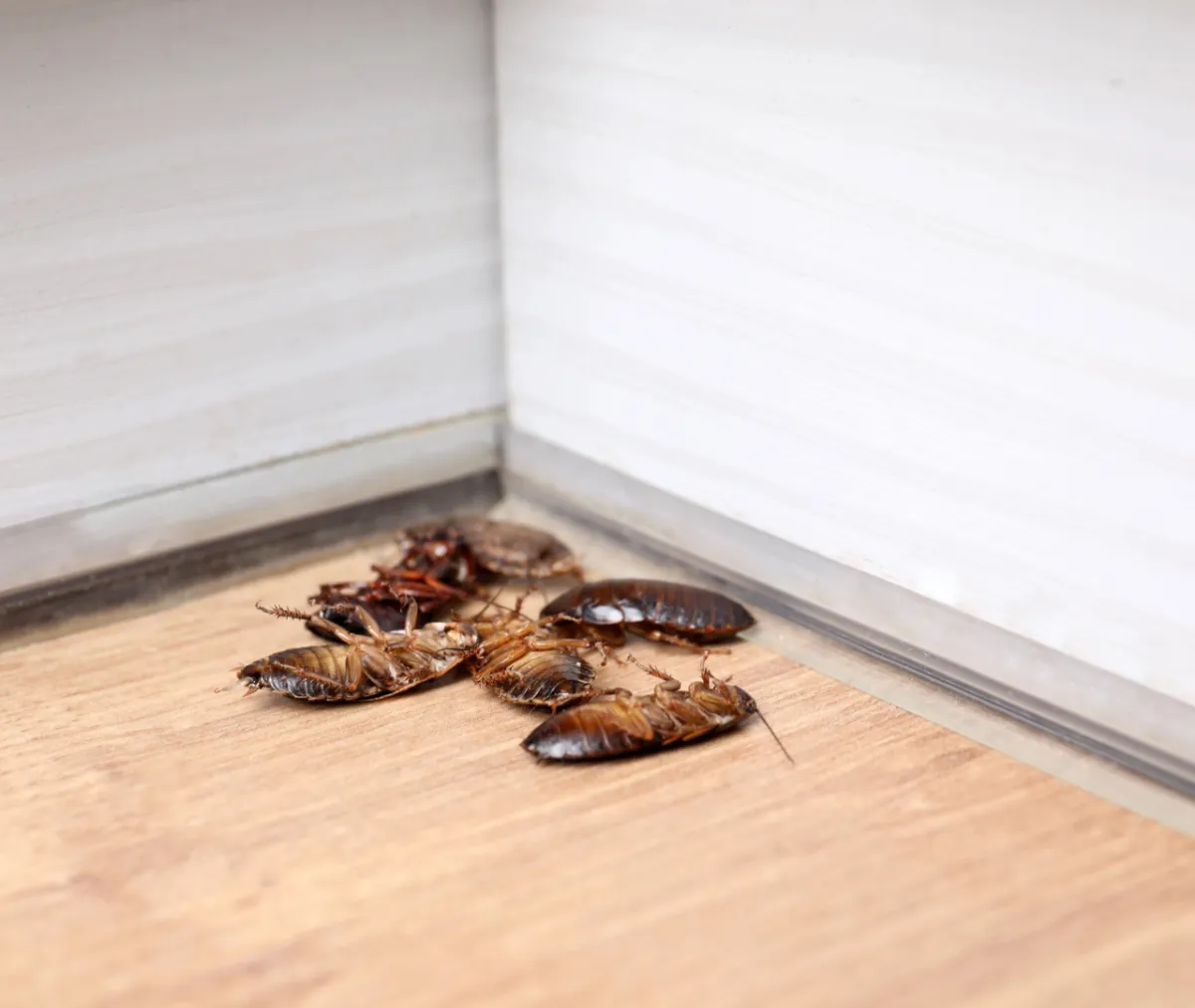
Cockroaches – These pests contaminate food, reproduce quickly, and trigger allergies. They thrive in kitchens, bathrooms, and dark corners.
Termites – Termites attack wooden structures, causing significant damage to floors, furniture, and structural beams over time.
Silverfish – They feed on paper, books, and stored clothing, leaving holes and damage.
Pantry insects – Weevils, beetles, and moths infest grains, rice, flour, and cereals, contaminating food quickly.
Ants – Certain ant species invade kitchens and food storage areas, contaminating items and creating trails that are difficult to remove.
Recognizing these pests early helps prevent damage from escalating and protects both health and property.
Inspect and Organize Your Home
Regular inspection and organization reduce opportunities for pests to thrive.
Step by step inspection tips
Check stored food items for signs of infestation such as holes, webbing, or unusual odors.
Inspect wooden furniture, shelves, and storage boxes for termites or other wood-boring insects.
Examine corners, cracks, and baseboards for signs of cockroaches or ants.
Look under sinks and behind appliances for moisture, which attracts pests.
Organize items in airtight containers to prevent pest access.
Keep clutter minimal to reduce hiding spots for pests.
Routine inspections and proper organization prevent pests from establishing a foothold in the home.
Store Items Properly
Correct storage practices can significantly reduce the risk of pest damage.
Step by step storage tips
Use airtight containers for grains, cereals, flour, and other pantry staples.
Store clothes and linens in sealed containers, especially natural fibers that attract moths and silverfish.
Keep wood and paper items elevated from the floor to prevent termite access.
Avoid leaving cardboard boxes or paper bags on the floor for long periods.
Regularly rotate stored food to prevent spoilage and attraction of pantry insects.
Clean storage areas periodically to remove crumbs, dust, and debris.
Proper storage ensures that pests cannot access or contaminate valuable items.
Maintain Cleanliness and Hygiene
Pests thrive in dirty and cluttered environments. Clean homes are less attractive to these invaders.
Step by step cleanliness tips
Sweep and mop floors daily, focusing on corners and hidden areas.
Wipe kitchen counters and dining areas to remove food residues.
Empty trash bins regularly and cover them securely.
Avoid leaving dishes and food scraps overnight.
Clean behind appliances and under furniture frequently.
Keep bathrooms dry and well-ventilated to prevent cockroach and silverfish infestations.
Maintaining high hygiene standards reduces the availability of food and water sources for pests.
Seal Entry Points
Preventing pests from entering your home is easier than controlling an established infestation.
Step by step sealing tips
Close gaps around windows, doors, and vents with weatherstripping or sealant.
Install mesh screens on windows and vents to prevent flying insects.
Repair cracks in walls, floors, and foundations.
Ensure pipes and cables entering the home are properly sealed.
Keep doors and windows closed, especially at night.
Check attic, basement, and garage entry points for potential access.
Sealing entry points creates a physical barrier that reduces the likelihood of pests entering living spaces.
Use Pest Control Solutions
When prevention alone is not sufficient, professional pest control solutions become necessary.
Step by step pest control tips
Contact licensed pest control services for inspection and treatment.
Follow the professional’s instructions on the use of insecticides or traps safely.
Apply preventive sprays or baits around problem areas.
Use natural deterrents such as neem oil or diatomaceous earth in areas accessible to pests.
Maintain ongoing monitoring to ensure infestations do not recur.
Combine professional intervention with home hygiene and storage practices for long-term success.
Proper pest control prevents damage to items and living spaces while protecting family health.
Educate Household Members
Everyone in the home should understand the importance of pest prevention.
Step by step education tips
Teach children and adults to report pest sightings immediately.
Instruct all family members on proper food storage and waste disposal.
Encourage everyone to maintain cleanliness in shared spaces.
Educate about the dangers pests pose to health and property.
Reinforce routines for inspecting storage areas and sealing potential entry points.
Promote consistent pest management practices as a household responsibility.
Education ensures that preventive measures are followed consistently, keeping homes safe and pest-free.
Final Thoughts
Pests can quickly damage stored items and living spaces if not addressed promptly. Rodents, cockroaches, termites, and pantry insects can contaminate food, weaken structures, and affect health. Through proper inspection, organized storage, cleanliness, sealing entry points, professional pest control, and household education, families can prevent infestations and protect their home environment. As demonstrated in Mr. Kumar’s case, proactive measures combined with expert guidance restore safety, prevent property damage, and create a healthier living space. A pest-free home not only safeguards possessions but also enhances the quality of life for all residents.
Legal Disclaimer: This post is strictly for educational use and should not be construed as professional advice (medical, legal, financial, or otherwise).
