Where Do Garden Pests Enter the Home — And How Can You Stop Them?
Garden pests are a common challenge for homeowners. While they may seem like outdoor nuisances, many of these insects and rodents can easily enter homes and create health risks, damage property, or contaminate food. For families, seniors, and households with children or pets, garden pests are more than a minor inconvenience. They can trigger allergies, spread bacteria, and compromise home safety. Understanding how these pests enter the home and implementing practical prevention strategies is essential for maintaining a clean and safe living environment.
Common Entry Points for Garden Pests
Garden pests find their way into homes through small gaps, openings, and environmental factors.
Step by step identification of entry points
Doors and windows – Unsealed gaps under doors or around windows allow ants, spiders, and small insects to enter.
Cracks in the foundation or walls – Tiny openings in the foundation, walls, or siding provide entry for rodents and insects.
Vents and chimneys – Open vents or chimneys can be pathways for flying insects, birds, and rodents.
Gaps around plumbing and electrical lines – Holes made for pipes or cables are common access points for pests.
Plants placed against the home – Shrubs, vines, or garden plants touching walls create bridges for insects and rodents.
Garbage and compost areas – Outdoor trash bins or compost piles near the house attract pests that eventually explore indoor areas.
Recognizing these potential entry points is the first step in preventing pests from moving indoors.
Why Garden Pests Are a Concern
Garden pests are not only bothersome, they pose health and safety risks.
Step by step impacts
Ants can contaminate food and surfaces.
Rodents can carry bacteria that cause illnesses and leave droppings in kitchens or storage areas.
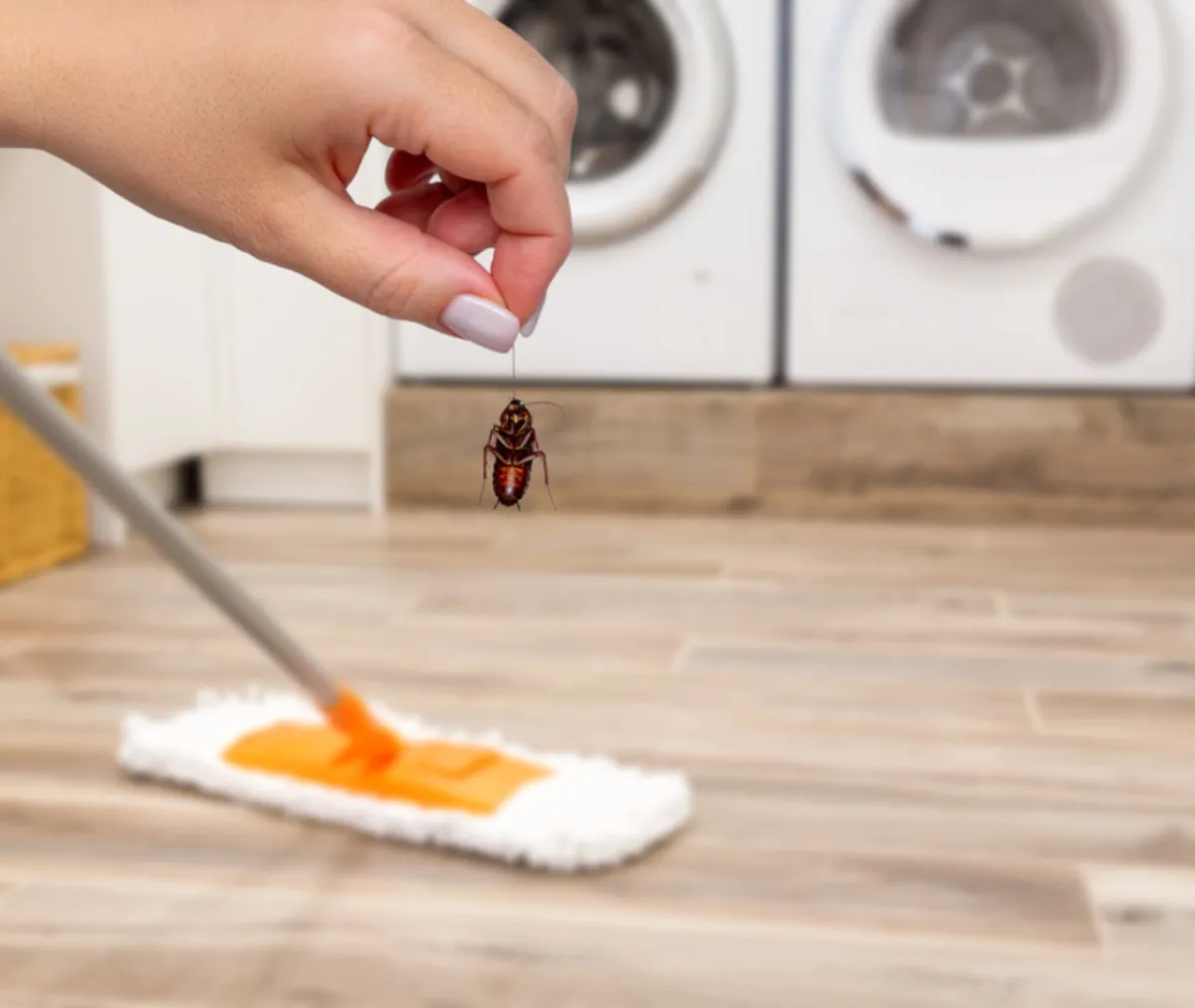
Cockroaches from garden areas trigger allergies and asthma, especially in children and seniors.
Spiders and insects can bite or cause skin irritation.
Pests can damage property, gnawing on wood, wires, and insulation.
Once pests are inside, infestations multiply quickly without intervention.
Understanding the risks emphasizes the need for consistent prevention strategies.
How to Stop Garden Pests from Entering the Home
Preventing garden pests requires a combination of home maintenance, cleanliness, and smart landscaping practices.
Step by step prevention tips
Seal cracks and gaps – Inspect doors, windows, walls, and foundation for openings and seal them with caulk, weather stripping, or mesh.
Install door sweeps and screens – Ensure that doors and windows close tightly and that screens are free of holes.
Maintain distance between plants and walls – Keep shrubs, vines, and other vegetation at least six inches away from home walls.
Trim overhanging branches – Tree branches near the roof or windows provide pathways for insects and rodents.
Keep outdoor lighting under control – Lights attract insects. Use yellow or low-intensity bulbs and position lights away from doors and windows.
Secure garbage and compost – Use closed bins and avoid placing them against walls. Clean compost areas regularly to prevent pests from migrating indoors.
These preventive steps help reduce the likelihood of garden pests entering the home.
Safe Pest Control Options
Sometimes preventive measures need to be complemented with safe pest control solutions, especially when pests are already inside.
Step by step pest control tips
Use non-toxic traps or bait stations for ants, spiders, and rodents.
Employ natural repellents like neem oil or peppermint oil around entry points.
Avoid harsh chemicals indoors where children or pets are present.
Clean areas where pests have been observed to remove pheromone trails and prevent re-infestation.
Work with a licensed pest control provider for severe infestations, ensuring treatments are safe for home occupants.
Maintain regular inspection schedules for both indoor and outdoor areas.
Safe pest control keeps homes healthy without compromising the safety of family members or pets.
Maintaining a Pest-Free Home Year-Round
Consistency is key to preventing garden pests from becoming a home problem.
Step by step maintenance tips
Inspect the exterior of the home at least once a month for gaps or damage.
Keep plants trimmed and avoid dense vegetation near walls.
Rotate and inspect garden produce stored near the house.
Maintain clean outdoor areas, removing debris and fallen leaves.
Check door and window seals regularly and repair when needed.
Educate all household members about keeping doors closed and reporting pest sightings.
These ongoing actions create a home environment that is less inviting to garden pests.
Final Thoughts
Garden pests can easily migrate into homes and create serious health and safety challenges. Ants, cockroaches, rodents, spiders, and other pests bring risks such as allergies, asthma attacks, contamination, and property damage. Understanding common entry points, implementing preventive landscaping and home maintenance strategies, using safe pest control options, and maintaining ongoing vigilance are essential for keeping homes safe. Mr. Anand’s story demonstrates that proactive measures not only reduce pests but also protect the health and comfort of all family members. By integrating these practices into daily life, homeowners can enjoy a healthy, pest-free living environment while safeguarding children, seniors, and pets.
Legal Disclaimer: This post is strictly for educational use and should not be construed as professional advice (medical, legal, financial, or otherwise).
