How can outdoor maintenance prevent pests from entering your home ?
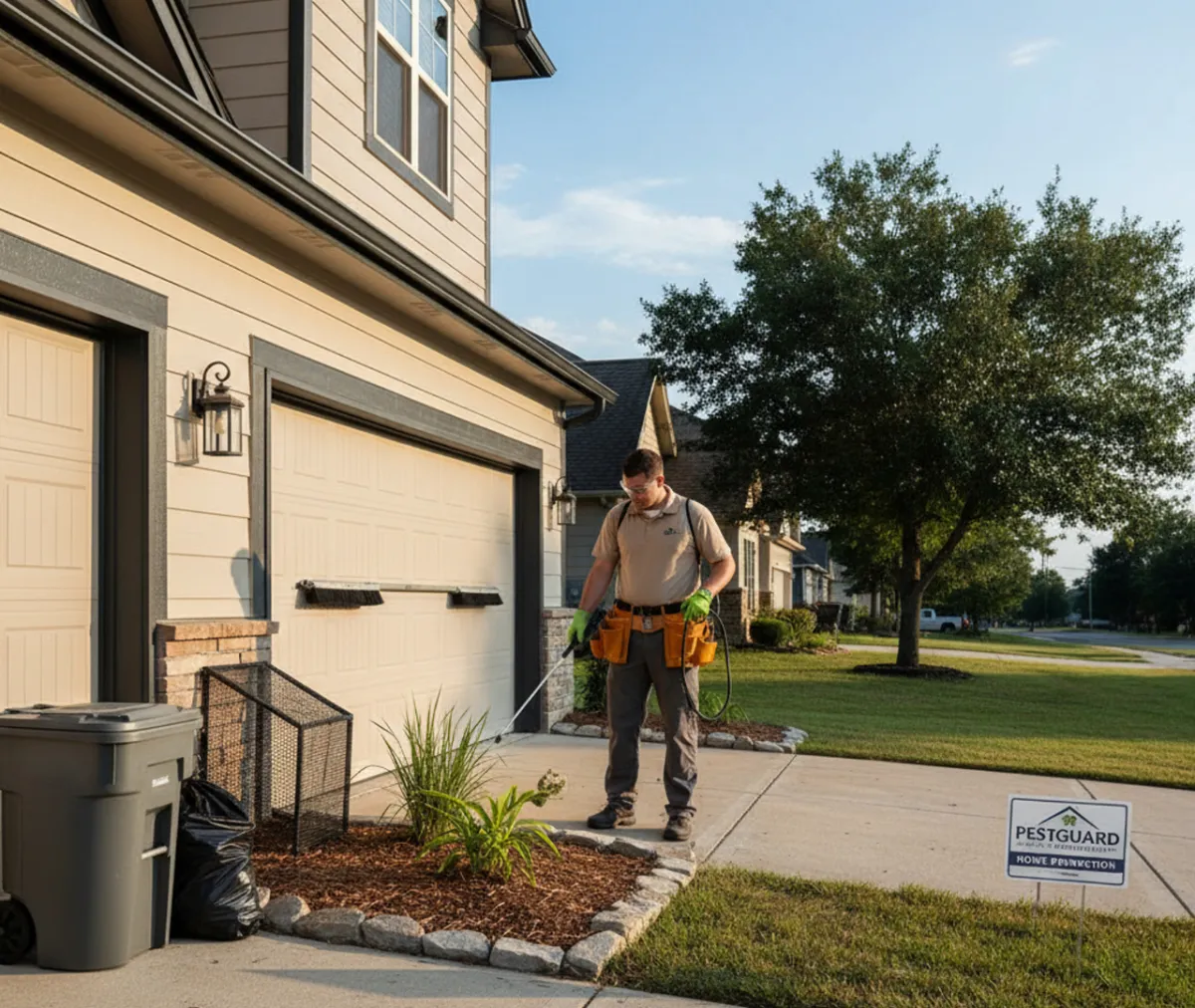
Outdoor maintenance prevents pests by removing food, water, and shelter around your home while sealing the entry points they use to get inside. When the exterior is clean, dry, and well-maintained, pests are far less likely to invade.
Start with these high-impact actions:
Trim shrubs and tree branches away from walls and the roof
Keep gutters clean and direct water away from the foundation
Eliminate standing water in yards, pots, and drains
Seal cracks in the foundation, siding, and around utility lines
Store trash in tightly sealed bins and clean them regularly
Stack firewood at least 20 feet from the home and off the ground
Keep grass short and remove leaf litter or debris
Why the Outside Matters Most
Most infestations begin outdoors. Pests look for three things: food, moisture, and shelter. If your yard provides these, your home becomes the next step.
By maintaining the exterior, you:
Reduce pest population near your home
Cut off easy access routes
Make your property less attractive overall
Think of it as creating a protective barrier before pests ever reach your door.
Landscaping Can Either Invite or Deter Pests
Overgrown landscaping creates hidden pathways and nesting spots.
Common issues:
Branches touching the roof (easy access for rodents and ants)
Dense shrubs against walls (harbor insects and moisture)
Mulch piled too high near the foundation (attracts termites)
Better approach:
Maintain a clear gap (6–12 inches) between plants and your home
Use minimal mulch near the foundation
Choose well-spaced, low-maintenance plants
Water Control Is Critical
Moisture is one of the biggest pest attractors outdoors.
Problem areas:
Clogged gutters overflowing near walls
Poor drainage causing puddles
Leaky outdoor faucets or hoses
These conditions attract mosquitoes, termites, and ants.
Fix it by:
Cleaning gutters regularly
Extending downspouts away from the foundation
Repairing leaks promptly
A dry exterior is far less appealing to pests.
Seal Entry Points Before Pests Find Them
Even tiny openings can allow pests inside.
Check for:
Cracks in the foundation
Gaps around doors and windows
Openings around pipes, vents, and cables
Seal these with caulk, weather stripping, or mesh covers. This step alone can significantly reduce indoor pest problems.
Trash and Food Sources Matter
Outdoor food sources quickly attract pests.
Best practices:
Use bins with tight-fitting lids
Clean spills and residue regularly
Avoid leaving pet food outside
Once pests find food outside, they’ll look for more inside.
Yard Cleanliness Reduces Hiding Spots
Clutter gives pests a place to live and breed.
Remove:
Leaf piles and yard waste
Unused containers or debris
Woodpiles near the house
A clean yard forces pests to move elsewhere.
Seasonal Maintenance Makes a Difference
Different seasons bring different pest pressures, but regular upkeep keeps you ahead:
Spring/Summer: Focus on moisture and vegetation control
Fall: Clear leaves and seal gaps before pests seek warmth
Winter: Maintain dryness and check for hidden entry points
Consistency is key to long-term prevention.
Final Thoughts
Outdoor maintenance is one of the most effective ways to prevent pests from entering your home. By controlling moisture, reducing shelter, and sealing entry points, you stop infestations before they start.
A well-maintained exterior doesn’t just improve appearance; it acts as your home’s first line of defense against pests.
Legal Disclaimer: This post is strictly for educational use and should not be construed as professional advice (medical, legal, financial, or otherwise).
