How Can Safe Pest Control Practices Protect Families During National Asthma and Allergy Awareness Month?
National Asthma and Allergy Awareness Month highlights the importance of creating environments that support respiratory health and reduce exposure to triggers. While many people focus on outdoor allergens, the home itself can be a major source of irritation—especially when pests are present. From cockroaches and rodents to dust mites and mold-related pests, infestations can worsen asthma and allergy symptoms. Practicing safe pest control is essential not only for maintaining cleanliness but also for protecting the health of your entire family.
The Link Between Pests and Allergies
Pests are more than just a nuisance—they are a significant source of indoor allergens. Cockroach droppings, saliva, and shed body parts are well-known triggers for asthma and allergic reactions. Similarly, rodents can spread dander and leave behind waste that contaminates the air and surfaces.
Even pests that are not directly visible can contribute to poor indoor air quality. Dust mites, for example, thrive in bedding and upholstery, while mold—often associated with moisture and pest activity—releases spores that can irritate the respiratory system.
For individuals with asthma or allergies, these triggers can lead to symptoms such as wheezing, coughing, shortness of breath, and skin irritation.
Why Safe Pest Control Matters
Traditional pest control methods often involve strong chemicals that can eliminate pests but may also introduce harmful fumes into the home. During Asthma and Allergy Awareness Month, it’s especially important to choose methods that reduce health risks rather than add to them.
Safe pest control focuses on minimizing exposure to both pests and toxic substances. It combines prevention, non-toxic treatments, and careful use of products to create a healthier indoor environment.
Step 1: Prevent Pests Before They Enter
The most effective way to control pests safely is to prevent them from entering your home in the first place. This reduces the need for chemical treatments altogether.
Simple preventive measures include:
Sealing cracks and gaps in walls, doors, and windows
Installing door sweeps and repairing window screens
Keeping food sealed and stored properly
Disposing of garbage regularly
By eliminating entry points and food sources, you make your home less attractive to pests.
Step 2: Maintain a Clean and Allergen-Free Environment
Cleanliness plays a major role in both pest control and allergy management. Regular cleaning helps remove allergens and reduces the likelihood of infestations.
Focus on:
Vacuuming carpets and furniture frequently
Washing bedding in hot water
Cleaning kitchen surfaces to remove food residue
Reducing clutter where pests can hide
A clean home not only discourages pests but also improves indoor air quality.
Step 3: Control Moisture and Ventilation
Many pests thrive in damp environments. Moisture also contributes to mold growth, which can worsen allergy symptoms.
To control moisture:
Fix leaks and plumbing issues promptly
Use exhaust fans in kitchens and bathrooms
Ensure proper ventilation throughout the home
Use dehumidifiers in humid areas
Dry, well-ventilated spaces are less attractive to pests and healthier for respiratory systems.
Step 4: Use Non-Toxic and Low-Risk Solutions
When pest control is necessary, choosing safer alternatives is crucial. Non-toxic methods can effectively manage pests without compromising health.
Examples include:
Traps for rodents and insects
Natural repellents such as essential oils
Bait stations placed in controlled areas
Physical barriers like mesh screens
If chemical products are used, they should be applied carefully and according to instructions, preferably by professionals.
Step 5: Consider Professional Pest Control Services
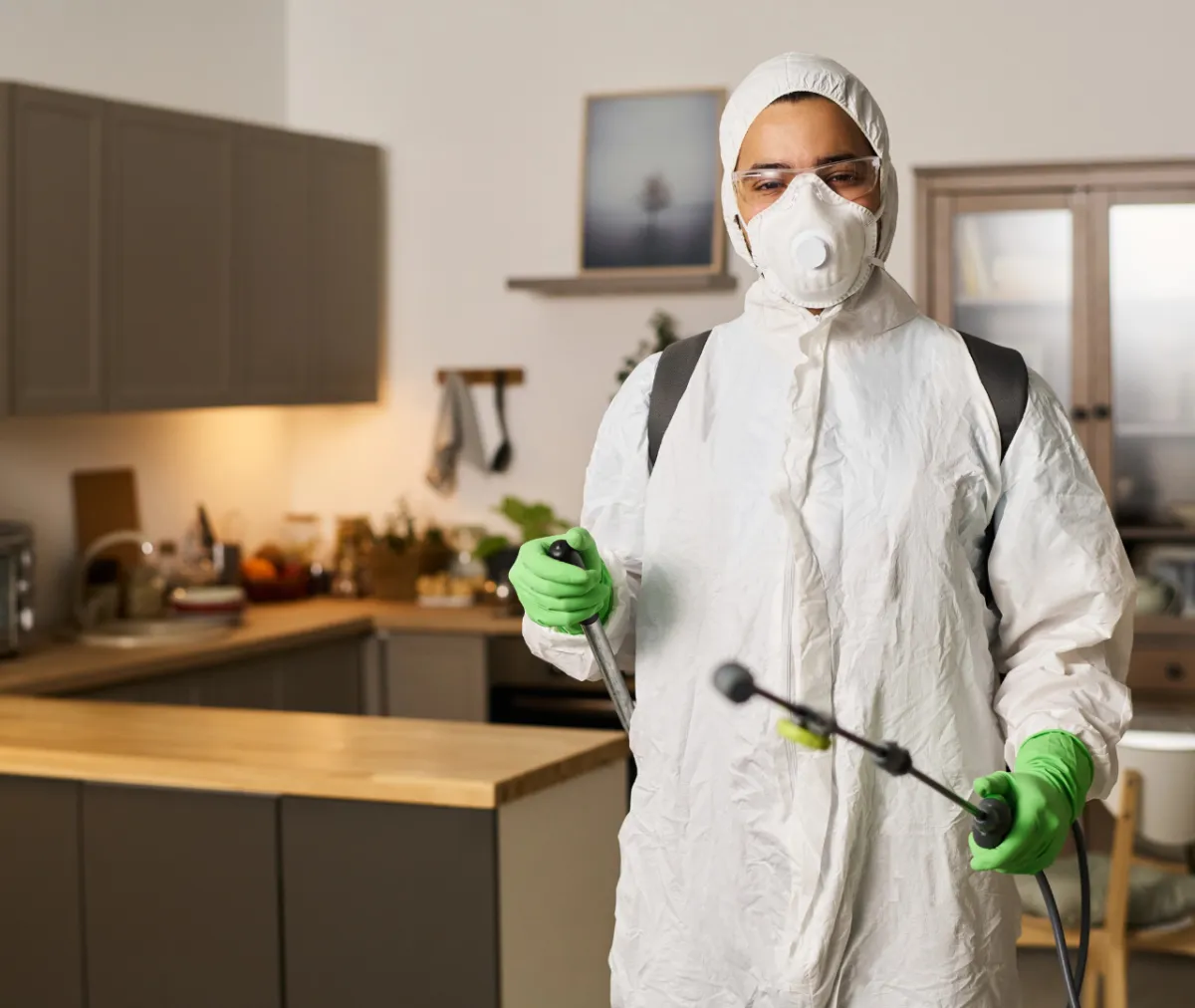
For persistent or severe infestations, professional pest control services may be required. Many companies now offer eco-friendly and low-toxicity options designed to minimize health risks.
Professionals can identify the source of the problem, apply targeted treatments, and provide guidance on maintaining a pest-free home safely.
Step 6: Protect Vulnerable Family Members
Children, older adults, and individuals with asthma or allergies are particularly sensitive to both pests and chemical exposures. Extra care should be taken to protect these groups.
This includes:
Avoiding the use of strong chemical sprays indoors
Keeping treated areas off-limits until safe
Using protective covers for bedding
Monitoring symptoms and seeking medical advice if needed
Creating a safe environment for vulnerable individuals should always be a priority.
Step 7: Stay Alert to Early Warning Signs
Early detection of pests can prevent larger infestations and reduce the need for aggressive treatments. Watch for signs such as:
Droppings or unusual stains
Musty odors
Scratching sounds in walls
Increased allergy symptoms without a clear cause
Addressing issues early helps maintain both home hygiene and health.
Final Thoughts
Safe pest control is an essential part of maintaining a healthy home, especially during National Asthma and Allergy Awareness Month. By focusing on prevention, cleanliness, moisture control, and low-risk solutions, families can reduce exposure to both pests and harmful chemicals.
A proactive approach not only protects your home but also supports better respiratory health and overall well-being. Clean, pest-free environments are key to reducing allergy triggers and ensuring a safer, more comfortable living space for everyone.
Taking small, consistent steps today can lead to long-term health benefits for your entire family.
Legal Disclaimer: This post is strictly for educational use and should not be construed as professional advice (medical, legal, financial, or otherwise).
