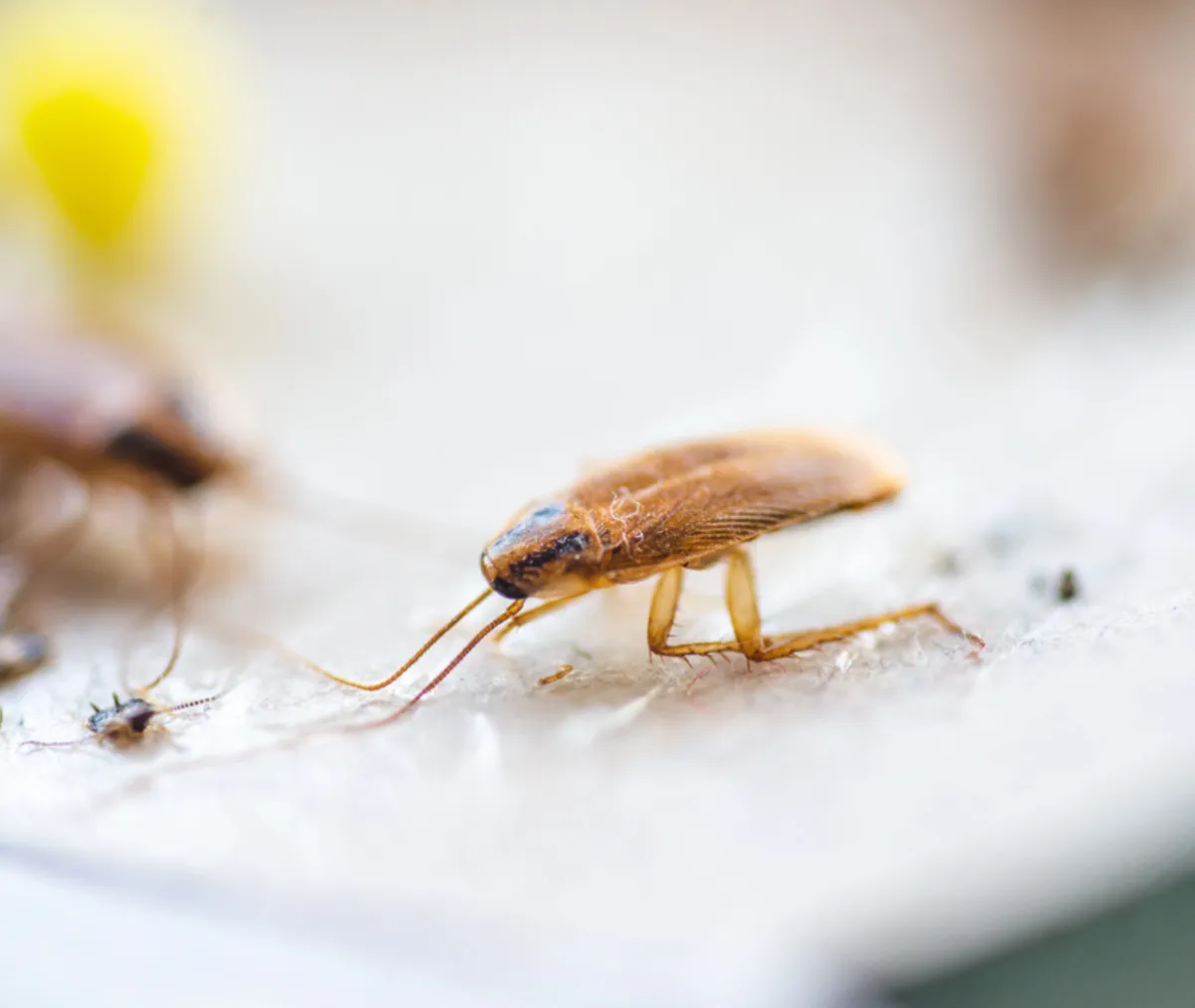
Is Your Attic Hosting Uninvited Winter Guests?
Most people think winter brings a break from pests. The weather cools, insects disappear, and rodents are supposedly too busy hiding somewhere outdoors. But as a pest control business owner, I can tell you the truth that surprises almost everyone. Winter is one of the busiest seasons for pest activity. Not outside, but inside your home. And the one place these little invaders love the most is your attic.
Your attic becomes a warm shelter, a quiet hideout, and a perfect nesting space for pests looking to survive the cold. By the time most homeowners notice signs, the guests have already settled in, chewed through insulation, left droppings, and sometimes even started families.
Let me walk you through what really happens in an attic during winter and how you can protect your home before a small problem becomes a costly headache.
Why Winter Turns Your Attic Into a Pest Hotel
Your attic offers everything pests need to stay comfortable through freezing temperatures. It has warmth, darkness, safety from predators, soft materials to nest in, and plenty of hidden entry points.
Here is what attracts them the most:
• small gaps along the roofline
• openings around vents
• cracks in siding
• loose shingles
• unsealed pipes or wires
• uncovered soffits
These tiny spaces act like open invitations. Rodents, insects, and wildlife will squeeze in without hesitation. Once they find the attic, they rarely want to leave.
The Most Common Winter Guests Hiding Above Your Head
As a pest professional, I have seen some surprising attic visitors over the years. But a few appear more often than others.
1. Mice
Mice need very little space to enter. If you can fit a pencil through a gap, a mouse can fit too. Winter drives them indoors, and attics make an ideal nesting spot. They chew through insulation, wiring, boxes, and anything stored in your attic.
2. Rats
Rats are larger and more destructive than mice. Once they enter your attic, they can cause structural damage, leave strong odors, and multiply quickly.
3. Squirrels
Squirrels are active during winter and often chew through rooflines to create cozy nesting areas. They can cause serious damage, including chewed wires that increase fire risk.
4. Raccoons
These are strong and clever animals. If they want inside, they will find a way. Raccoons often tear through shingles or push their way through attic vents.
5. Bats
Bats are drawn to warm attics as roosting places. While they do not usually chew or tear things apart, their droppings can create health concerns.
6. Wintering insects
Attics also shelter insects that enter a dormant state during winter, including:
• cluster flies
• lady beetles
• wasps
• stink bugs
They may be slow, but they are still very much alive.
Signs Your Attic Has Uninvited Guests
Many homeowners never climb into their attics, so problems go unnoticed for months. Here are the most common signs to watch for:
• scratching or crawling sounds
• strange smells or odor buildup
• droppings on floors or insulation
• disturbed or shredded insulation
• gnawed wires or wood
• holes or gaps along roof edges
• increased pest sightings inside the home
Any one of these signs is enough reason to inspect your attic or call a professional to take a closer look.
Why You Should Never Ignore Attic Invaders
It might seem harmless if a cute mouse or a single squirrel sneaks into your attic. But pests do not stay still. They explore, chew, multiply, and leave waste behind. Ignoring the issue can quickly lead to bigger problems.
Here is what can happen over time:
• electrical fires from chewed wires
• contamination from droppings or urine
• damaged insulation that increases energy bills
• structural weakening of wood beams
• spread of diseases like salmonella or hantavirus
The longer pests remain in your attic, the harder and more expensive they are to remove.
How to Protect Your Attic From Winter Visitors
As a pest removal specialist, I believe prevention is more powerful than treatment. You can keep your attic pest free with a few practical steps.
1. Seal the entry points
Walk around your home and inspect:
• roof edges
• vents
• chimneys
• siding
• gutters
• eaves
Any hole, crack, or gap must be sealed before cold weather arrives.
2. Trim trees that touch your roof
Branches work like bridges for squirrels, rats, and raccoons.
3. Reduce attic clutter
The fewer hiding spots, the better.
4. Store items in sealed plastic bins
Cardboard boxes attract rodents.
5. Improve insulation
Pests love fluffy, loose insulation. A professional cleanup can reduce nesting spots.
6. Install chimney caps and vent covers
These act as physical barriers.
7. Schedule seasonal pest inspections
A trained professional can detect early signs long before you notice anything.
Why Professional Help Is Often the Safest Option
Some attic pests are more dangerous than others. Raccoons can become aggressive. Bats require special handling due to legal protections in many areas. Rats reproduce fast. And insects can hide deep within insulation layers.
Professionals bring skills, safety gear, and tools that most homeowners do not have. They can also identify underlying issues, such as roof damage or unseen entry points, that cause repeat infestations.
Final Thought: Winter Peace Begins in the Attic
Your attic may be out of sight, but it should never be out of mind. Winter pests are quiet, sneaky, and surprisingly resourceful. The good news is that with awareness, prevention, and timely action, you can keep unwanted guests out and protect your home’s comfort and safety.
If you want a winter free of scratching sounds, damaged insulation, and unwanted surprises in your attic, my team is always here to help. One inspection today can save you from months of stress later.
Your attic should store memories, not pests. Let us keep it that way.
